
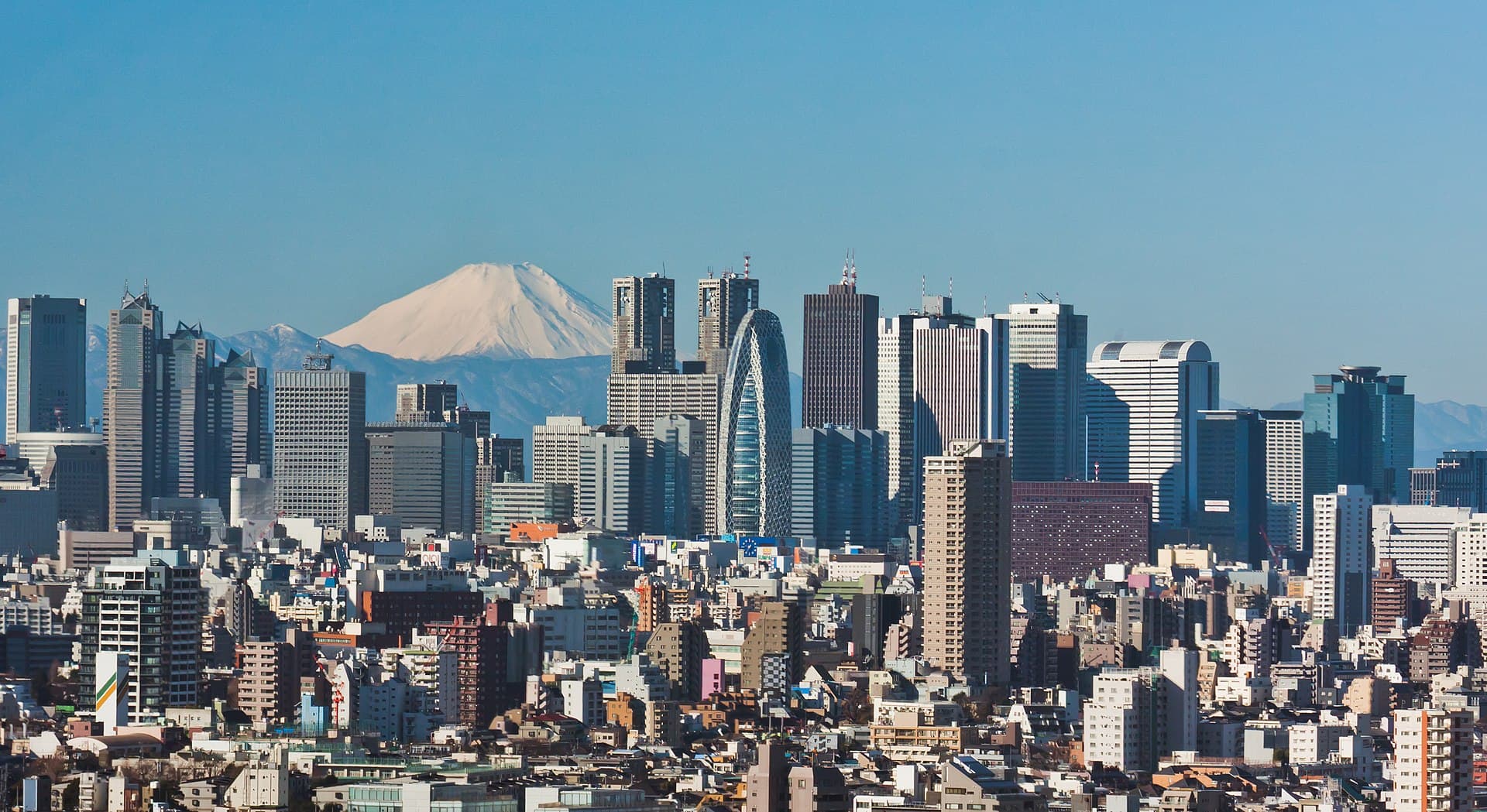
Three days in Tokyo is enough for a strong first trip if you stop trying to conquer the whole metropolis and instead build each day around one side of the city. Stations are huge, summer heat and rain can slow you down, and a single badly placed detour can eat the hour you thought you were saving. This itinerary keeps Tokyo geographic so you spend less time crisscrossing lines and more time actually being in the neighborhoods you came to see.
Map context
Tokyo 3-day itinerary map
Plot the main central, east-side, and west-side sight clusters that shape a smart 3-day route through Tokyo.
Tokyo Station
Tokyo Station / Marunouchi
landmarkBest day-one anchor for orientation, central rail logic, and an easier introduction to the city.
Open Tokyo Station in Google MapsImperial Palace East Gardens
Marunouchi
landmarkUseful for a calmer first-day walk near Tokyo Station before the trip gets denser.
Open Imperial Palace East Gardens in Google MapsGinza
Ginza
neighborhoodGood first-day extension for shopping, dining, and polished central Tokyo streets.
Open Ginza in Google MapsSenso-ji
Asakusa
landmarkBest handled as the anchor of a full east-side day rather than squeezed into a mixed route.
Open Senso-ji in Google MapsTokyo Skytree
Sumida
landmarkNatural extension if you still want a skyline component after Asakusa.
Open Tokyo Skytree in Google MapsShibuya Crossing
Shibuya
landmarkUseful west-side anchor for the final day once you are ready for Tokyo at full speed.
Open Shibuya Crossing in Google MapsMeiji Shrine
Harajuku
landmarkGood reset between busier Shibuya and Harajuku stretches, especially in hotter weather.
Open Meiji Shrine in Google MapsShinjuku
Shinjuku
neighborhoodStrong first-night or final-night district for food and seeing how the city behaves after dark.
Open Shinjuku in Google Maps
Bookable ideas
Tours and activities to compare
Use these as a starting point, then verify the meeting point, cancellation terms, group size, and recent reviews before booking.
Tokyo first-day walking tour around Ginza and the Imperial Palace edge
Walking tour
3 hours- Best for
- First-time visitors who want central Tokyo to make sense early instead of feeling like disconnected office towers and shopping streets.
- Why book
- It can give structure to the calmest part of the city and make later route decisions feel easier.
- Watch out
- Best earlier in the day and less useful if you already enjoy orienting yourself through unstructured wandering.
Shinjuku food and izakaya evening tour
Food tour
3–4 hours- Best for
- Travelers who want one curated night out instead of improvising dinner in one of Tokyo’s busiest station districts.
- Why book
- It turns Shinjuku from overwhelming choice into a more relaxed, confident evening.
- Watch out
- Check whether the group style, pacing, and food format suit you before booking just for the neighborhood name.
Asakusa and Tokyo Skytree culture route
Cultural tour
4 hours- Best for
- Visitors who want the east-side classics to feel more connected and less like isolated photo stops.
- Why book
- Useful if you want context for temple streets and local history rather than just checking off the big names.
- Watch out
- Crowds and weather matter here, so it is stronger when you book a time that protects the calmer part of the day.
Day trip to Nikko or Kamakura from Tokyo
Day trip
10–12 hours- Best for
- Travelers who have already decided that one day outside Tokyo matters more than deepening the city itself.
- Why book
- A guided option can simplify the planning burden if you truly want the contrast.
- Watch out
- On a 3-day trip, this is usually the first optional cut because it consumes so much time and energy.
Trip planning
Check guided options against the timing in this guide.
Use a tour for the part of Tokyo that is genuinely easier with help, then keep the rest of the itinerary loose enough for weather, appetite, and whichever neighborhood deserves more of your time.
Browse Tokyo toursExternal partner or booking tool; check locations, terms, and current availability before committing.
Itinerary note 01
How to use this 3-day plan
Treat this itinerary as route logic, not a strict timetable. Tokyo rewards travelers who batch central, east-side, and west-side sights instead of bouncing across town for one famous stop at a time. Keep the shape of each day, then adjust individual stops for weather, energy, and what part of the city ends up clicking most. That flexibility matters here because a rainy afternoon, summer heat, winter sunset, or simple station fatigue can change what still sounds fun.
Itinerary note 02
Day 1: Tokyo Station, Marunouchi or Ginza, then ease into Shinjuku at night
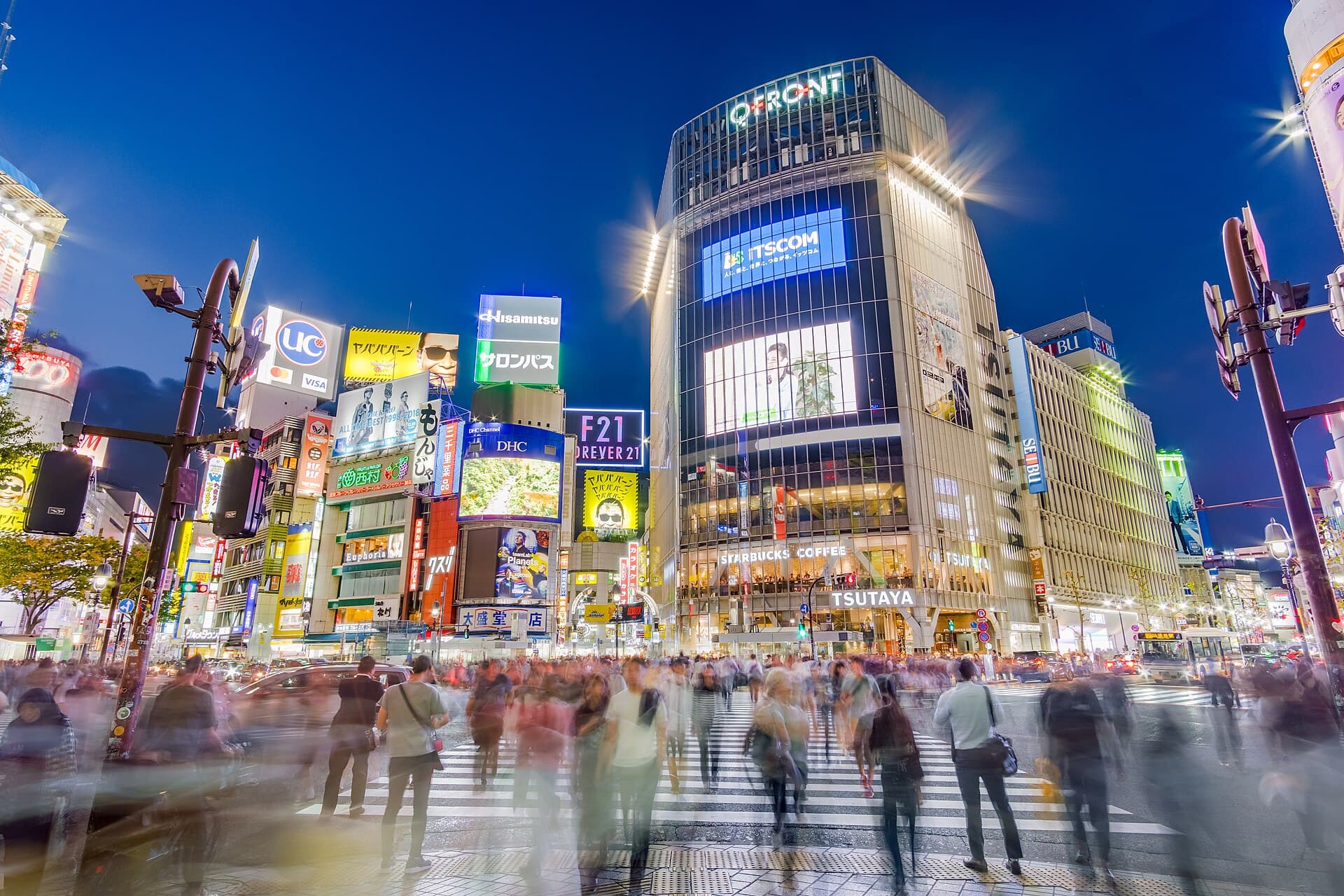
Start your first day where Tokyo feels easiest to understand: Tokyo Station, Marunouchi, the Imperial Palace edge, and Ginza. This gives you a clean introduction to the city’s scale, transit logic, polished central districts, and how much walking the “easy” parts still involve. Keep the day intentionally moderate rather than trying to bolt Asakusa or Shibuya onto it. By evening, head to Shinjuku if you want a sharp contrast and enough energy remains. That shift works well because it lets Tokyo reveal both its orderly daytime face and its denser, brighter nighttime one without wasting the middle of the day on long cross-city hops.
Itinerary note 03
Day 1 evening: let dinner teach you what version of Tokyo you actually want more of
Your first evening is a good test of neighborhood fit. If you enjoy the sheer restaurant density and lights of Shinjuku, you may want more west-side time later. If that feels too intense, you have learned something valuable early and can lean harder into calmer districts for the rest of the trip. Keep this night simple: one neighborhood, one dinner zone, and an easy route home. The goal is not to “do Shinjuku thoroughly.” It is to understand how the city feels after dark without turning the evening into another endurance event.
Itinerary note 04
Day 2: Asakusa, Senso-ji, and the east-side classic-sights block
Use day two for Tokyo’s east side: Asakusa, Senso-ji, nearby streets, and then Tokyo Skytree or a riverside extension if you still want more. Start earlier than you think you need. Temple areas are easier to appreciate before the heaviest crowd pulse, especially in warmer months when midday heat makes the paved approach feel longer than it looks. This is also the day to slow down a little. East Tokyo works best when you let the neighborhood atmosphere, snacks, backstreets, and river views breathe rather than treating the area like a box-ticking mission.
Itinerary note 05
Day 2 evening: add one guided or curated experience only if it fills a real gap
By the second evening, you should know whether a tour will genuinely improve the trip. A Shinjuku food evening can help if station scale still feels overwhelming. An Asakusa culture walk can add context if the district felt visually rich but hard to interpret. A central orientation tour makes sense if you want the city stitched together by someone else before your final day. What usually does not help is booking a tour just because it exists. Tokyo is already dense with stimulation; the right experience should remove friction or add understanding, not just occupy a slot.
Itinerary note 06
Day 3: Shibuya, Harajuku, Meiji Shrine, and whichever west-side pace fits your energy
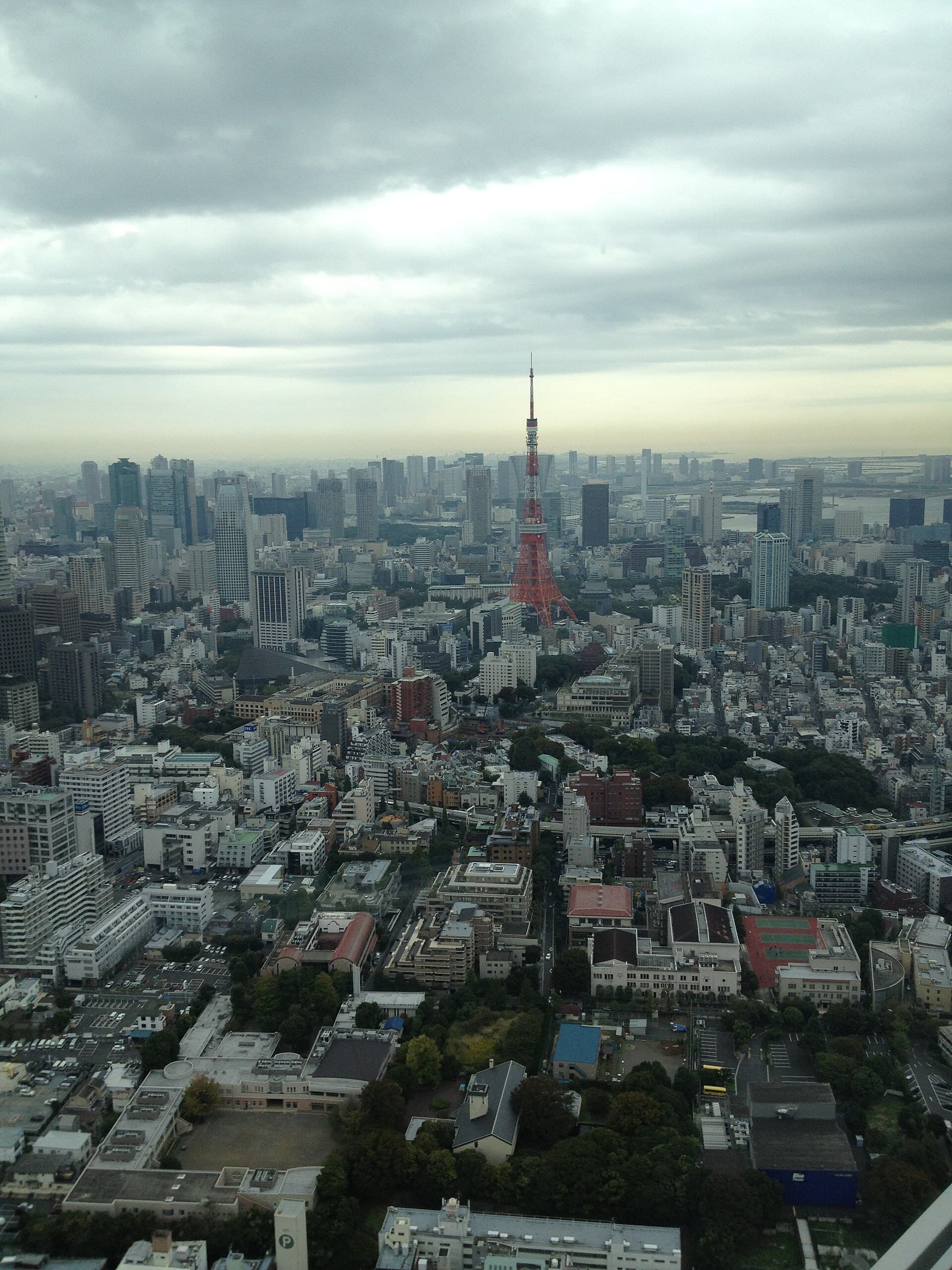
Keep the final day on the west side with Shibuya, Harajuku, Meiji Shrine, and Omotesando if it matches your style. This cluster works well as a closing day because it can be adjusted easily. Fast movers can lean into crossings, shops, and one more neighborhood. Slower travelers can do Meiji Shrine, a calmer lunch, and only a lighter pass through Harajuku or Shibuya. If Tokyo surprised you earlier and you want more of one district, use this day to follow that instinct rather than forcing a rigid final checklist. The smartest final day reacts to the trip you are actually having.
Itinerary note 07
Should you squeeze in a day trip to Hakone, Nikko, or Kamakura?
Usually not on a first 3-day Tokyo visit unless leaving the city is a real priority. Hakone, Nikko, and Kamakura can all be worthwhile, but each changes the shape of the trip more than people admit. They are not quick add-ons; they are a full commitment of time, early starts, and planning energy. If you only have three days, many travelers enjoy Tokyo more by staying in the city and letting one neighborhood breathe instead of trading a whole day for transit. A short trip is usually stronger when it is less ambitious.
Itinerary note 08
When to book tours versus when to stay flexible
Book the thing that is hardest to recreate on your own, not every appealing listing. In Tokyo, that usually means the evening food experience that solves a confidence problem, the one limited-capacity activity you truly care about, or the day trip you do not want to self-plan. Keep the easier sightseeing blocks flexible enough to absorb rain, heat, shopping detours, or a station exit that takes longer than expected. Flexibility is practical here, not lazy.
Itinerary note 09
How to adjust this itinerary for different travel styles
Fast movers can add one museum, market, or second viewpoint each day as long as it stays on-route. Slower travelers should cut something instead and protect the coffee stop, department-store basement, park bench, or long lunch that keeps Tokyo from becoming a blur. Families and mixed-energy groups usually do better with fewer station changes and more deliberate meal breaks. In summer, front-load outdoor walking and do not be heroic about midday heat. In winter, expect earlier darkness to make evening neighborhoods feel more appealing sooner. The best version of this itinerary is the one that still feels good at 4 p.m., not just the one that looks full on paper.
Itinerary note 10
Mistakes that make a 3-day Tokyo trip feel rushed
The classic mistake is treating every famous place as if it belongs to one compact center. Another is underestimating how much station navigation, weather, and simple walking add up over a short trip. Travelers also lose time by overcommitting to day trips, stacking too many reservations, or trying to “cover” both Asakusa and Shibuya in half a day each. Tokyo feels better when you accept that one good neighborhood block is more memorable than three disconnected landmarks rushed between train platforms.