
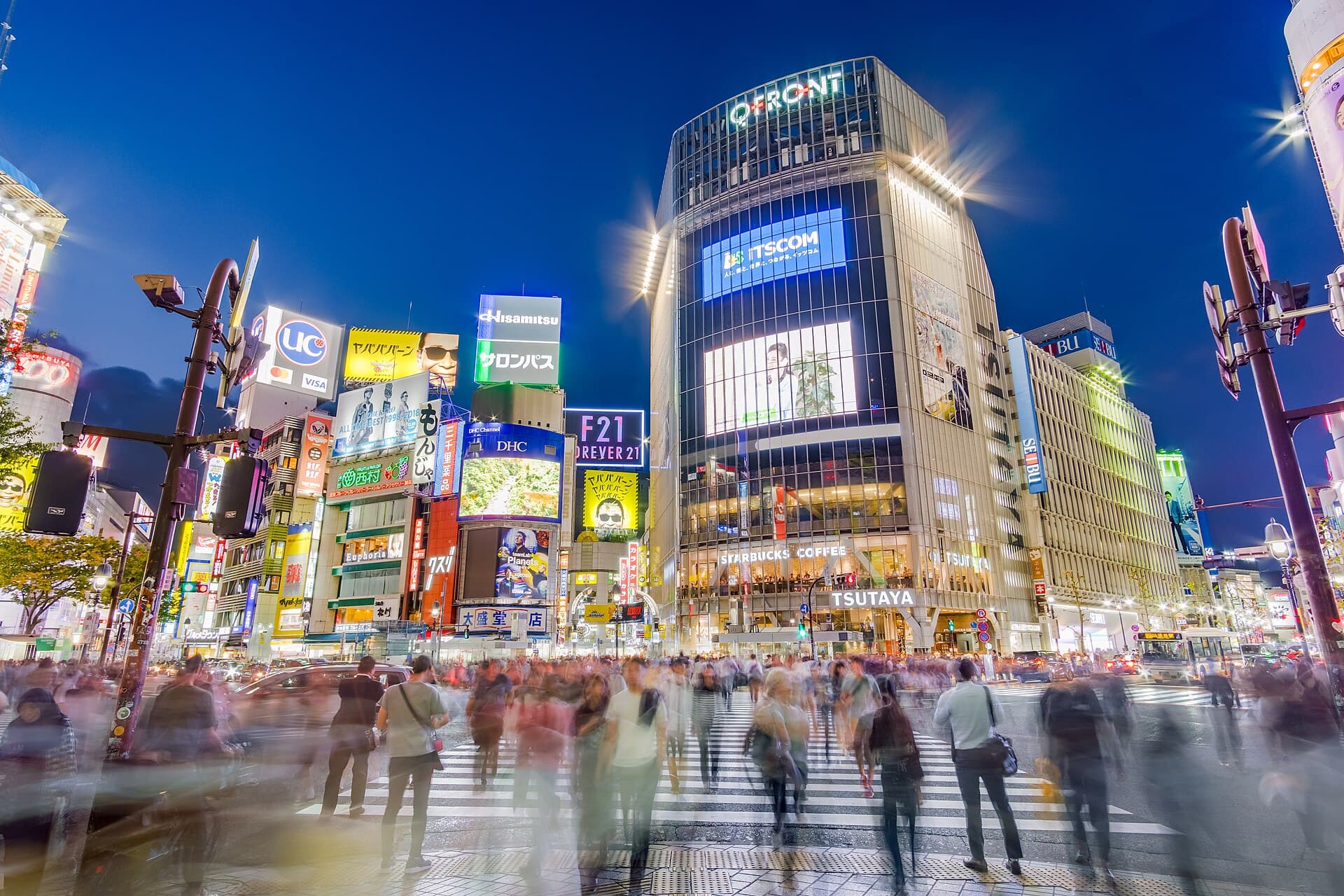
Tokyo is easier to enjoy when your hotel solves the part of the city you will repeat most: airport arrival, first coffee, tired ride home, and the neighborhood you naturally drift toward after dinner. The mistake is treating every central district as the same because they all look close on a map. Shinjuku, Shibuya, Ginza, Tokyo Station, Asakusa, and Ueno can all work, but they make very different versions of the same trip feel easy.
Good fit if…
- • travelers comparing Tokyo neighborhoods before choosing a hotel
- • visitors who want a real decision framework instead of a generic top-ten list
- • anyone balancing transport ease against atmosphere, nightlife, and sleep quality
Skip it if…
- • you have already chosen a hotel and only need property-level review advice
- • you want a resort-style stay well outside Tokyo’s urban rhythm
- • you plan to choose by room price alone and ignore station and block-level friction
Map context
Best neighborhoods in Tokyo map
Use this map to compare the main stay areas, arrival anchors, and example hotel locations across Tokyo.
Tokyo Station / Marunouchi
Tokyo
neighborhoodBest all-around for low-stress first trips, airport handoffs, and rail-heavy days.
Open Tokyo Station / Marunouchi in Google MapsGinza
Tokyo
neighborhoodGreat for polished stays, shopping, and central subway access without full station intensity.
Open Ginza in Google MapsShinjuku
Tokyo
neighborhoodBest for restaurant density, late returns, and huge rail reach if you can handle the scale.
Open Shinjuku in Google MapsShibuya
Tokyo
neighborhoodGreat for west-side energy, shopping, and travelers who want action right outside the hotel.
Open Shibuya in Google MapsAsakusa
Tokyo
neighborhoodBest for calmer nights and temple-side atmosphere, with longer rides to some west-side plans.
Open Asakusa in Google MapsUeno
Tokyo
neighborhoodUseful compromise area for value, museums, and practical rail logic.
Open Ueno in Google MapsTokyo Station
Tokyo
transportKey benchmark for arrival ease, shinkansen use, and judging whether a hotel’s final handoff is clean.
Open Tokyo Station in Google Maps
Specific hotel picks
Hotels worth comparing first
These are real, central options to start your search. We do not show live rates or availability here, so use the links to verify the exact room, cancellation terms, taxes, and recent guest notes.
Hotel Metropolitan Tokyo Marunouchi
Tokyo Station / Marunouchi
Upper-midrange- Best for
- First-time visitors who want airport-to-hotel logic, rail access, and day-one orientation to feel unusually easy.
- Location note
- Directly tied to the Tokyo Station area for shinkansen, JR lines, and straightforward onward movement.
- Why stay
- It solves the classic first-trip problem of wanting Tokyo to feel manageable before it feels exciting.
- Watch out
- Best booked when you value pure convenience more than neighborhood buzz or oversized rooms.
Mitsui Garden Hotel Ginza Premier
Ginza / Shimbashi edge
Upscale- Best for
- Travelers who want a polished central base with good dinners and easy subway logic, but do not need to sleep inside station chaos.
- Location note
- Walkable to Ginza and Shimbashi connections, which helps if your routes mix subways and JR movement.
- Why stay
- A strong answer when you want central Tokyo to feel refined and convenient at the same time.
- Watch out
- Worth it when you will use the location heavily; less compelling if you mainly care about room size for the money.
Hotel Gracery Shinjuku
Shinjuku
Midrange- Best for
- Visitors who want late dinners, west-side routes, and a hotel that keeps Shinjuku nightlife close instead of turning it into a commute.
- Location note
- Short walk to Shinjuku Station and dense restaurant options, though the exact approach can still feel busy.
- Why stay
- It works when your trip gets better by finishing the night near your room rather than hunting for the last connection home.
- Watch out
- Book with open eyes if you are sensitive to crowds, signage overload, or a busier late-night street scene.
The Gate Hotel Kaminarimon by Hulic
Asakusa
Upper-midrange- Best for
- Couples and slower-paced travelers who want a calmer neighborhood with real character, not just a practical sleep base.
- Location note
- Close to Senso-ji approaches and useful subway links for east-side sightseeing days.
- Why stay
- It gives you a softer version of Tokyo without making the main first-trip sights feel remote.
- Watch out
- Less ideal if your plan revolves around repeated Shibuya, Shinjuku, or Roppongi nights.
Mimaru Tokyo Ueno North
Ueno
Apartment-style midrange- Best for
- Families or longer-stay travelers who need more space and want a practical base that still connects well.
- Location note
- Useful for Ueno Station, museum access, and regional or airport-oriented rail logic.
- Why stay
- A sensible booking when room layout and easy functionality matter as much as being in Tokyo’s most glamorous district.
- Watch out
- Choose it for space and practicality, not because the immediate streets are the most atmospheric part of the city.
Trip planning
Compare stays against the neighborhood tradeoffs here.
Use this shortlist to match your trip style to the right district, then compare hotels on the exact details that matter in Tokyo: station access, luggage friction, noise, and how the walk home feels at the end of the day.
Compare Tokyo staysExternal partner or booking tool; check locations, terms, and current availability before committing.
Area tradeoff 01
Tokyo Station / Marunouchi: the cleanest first-time base for rail convenience, easier airport handoffs, and a very low-stress trip rhythm.
Tokyo Station / Marunouchi is the safest first answer when you want the city to feel legible from the first hour. It is especially strong if you expect to use intercity rail, want simple Haneda or Narita arrival logic into a major hub, or like the idea of stepping out into a district that feels orderly rather than overwhelming. The area works well for travelers who are sightseeing hard during the day and mainly want efficient mornings and clean returns at night. The tradeoff is personality: parts of Marunouchi can feel polished to the point of quiet once office hours end, so it is better for calm competence than for spontaneous late-night wandering.
Area tradeoff 02
Ginza: refined, central, and excellent for travelers who want food, shopping, and clean subway access without full station chaos.
Ginza suits travelers who want a first-time base that still feels central and comfortable but less rail-dominated than Tokyo Station itself. It is a strong fit if your ideal Tokyo day includes department-store basements, polished dinners, easy subway movement, and a hotel return that still feels civilized late in the evening. You also get practical reach toward Tsukiji, Marunouchi, and many cross-town routes without having to sleep inside Tokyo Station’s business core. The compromise is value: you often pay a premium for the address, and some hotels trade space for location, so it works best when you know you will actually use the neighborhood’s convenience and not just admire it on the booking page.
Area tradeoff 03
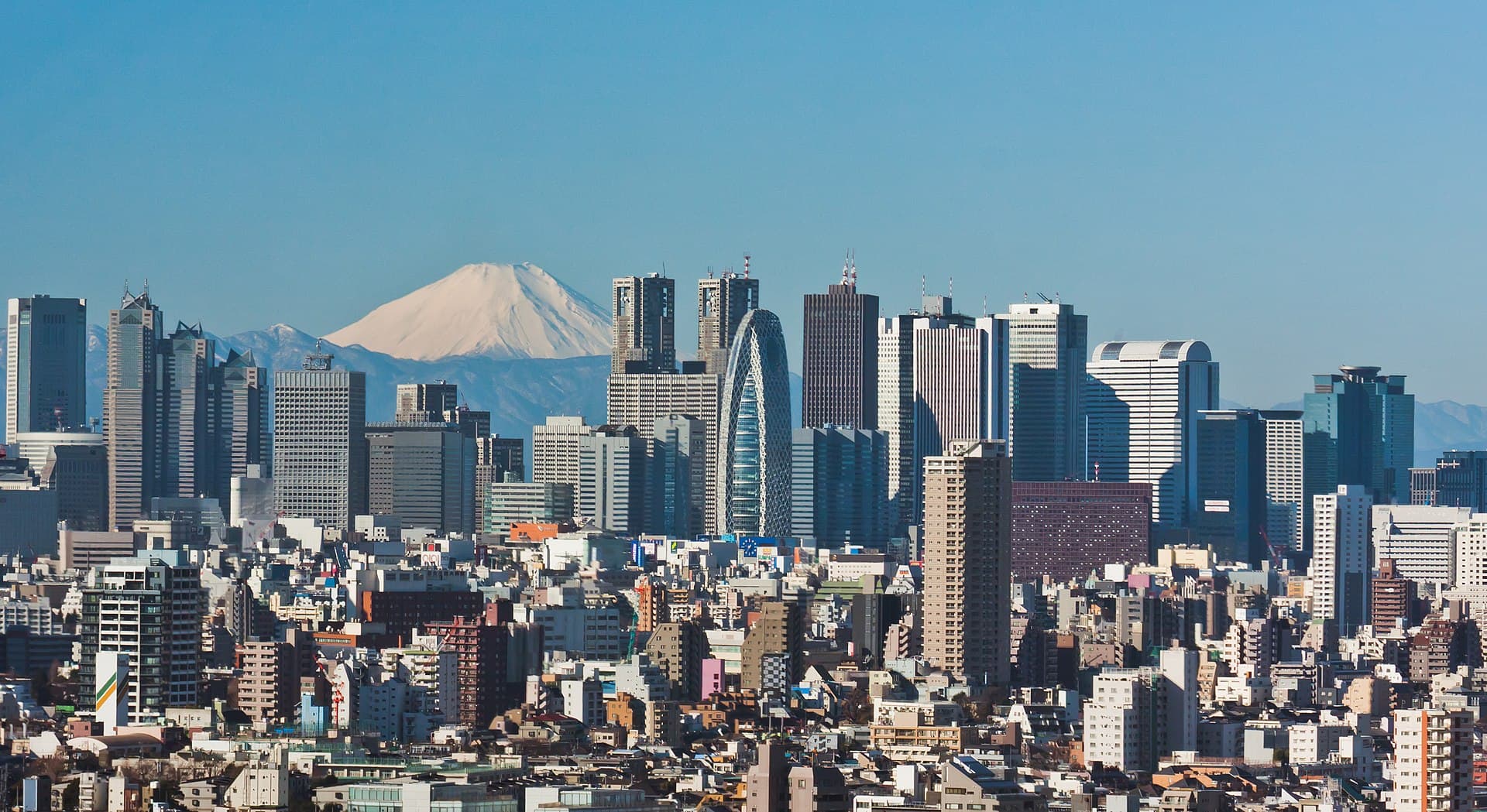
Shinjuku: best for rail reach, big restaurant choice, and travelers who want Tokyo to stay alive after dark.
Shinjuku is one of Tokyo’s most useful bases if evenings are not an afterthought. It makes late dinners, bar-hopping, and west-side exploration much easier because you do not have to spend your last energy on one more train ride home. It is also one of the strongest transport hubs in the city for day-to-day movement and some onward trips. The cost is cognitive load. The station is enormous, the neighborhood changes block by block, and the difference between a calm hotel pocket and a noisy nightlife strip is very real. Book Shinjuku because you genuinely want its density and convenience, not because a generic guide told you it was famous.
Area tradeoff 04
Shibuya: best for younger energy, stylish west-side access, and travelers who want activity right outside the door.
Shibuya works best for visitors who want Tokyo to feel kinetic the moment they leave the lobby. It is a natural base for shopping, trend-led food, late coffee, people-watching, and easy access toward Harajuku, Omotesando, and other west-side neighborhoods. Compared with Shinjuku, it can feel a little more lifestyle-led and a little less purely functional, which many travelers love. The downside is similar: busy crossings, crowds, and hotels that can look close to transit online while still feeling hectic with luggage. Stay here if the trip improves when you are in the middle of the motion, not if you are already worried that the city may feel too loud.
Area tradeoff 05
Asakusa: calmer nights, temple atmosphere, and a softer first impression of Tokyo.
Asakusa is often the right answer for travelers who want Tokyo to feel welcoming instead of relentless. You get a more traditional streetscape, easier access to Senso-ji at sensible hours, and evenings that usually feel calmer than the west-side hubs. That can be great for couples, slower travelers, families, or anyone who values a steadier reset after long sightseeing days. The tradeoff is geography. East-side stays can make Shibuya, Shinjuku, or Roppongi dinners feel more like a deliberate outing, and airport or day-trip logic is not automatically better just because the area is popular. Book Asakusa because you want the mood and can live with the extra cross-town movement.
Area tradeoff 06
Ueno: practical value, museum access, and one of the better compromise bases when the obvious answers feel wrong.
Ueno is strong when you want Tokyo to stay practical without feeling dull. It gives you useful access to museums, park space, straightforward eating, and a station area that can make some airport and regional rail connections easier than they are from more polished districts. It is also often appealing for travelers trying to protect budget or book a slightly larger room without moving far out. What it usually does not deliver is romance. Ueno can feel more workmanlike than glamorous, so it is best for travelers who care more about route efficiency, value, and function than for those wanting their hotel neighborhood itself to feel like the headline experience.
Area tradeoff 07
Roppongi / Akasaka: worth considering if nightlife, English-friendly convenience, or a more international business-hotel feel matters most.
Roppongi and Akasaka are not the default first-time picks, but they solve a specific problem well. They can work for travelers who care about late dinners, bars, contemporary city energy, and a base that feels easy to navigate socially even if it is not the most iconic sightseeing address. Akasaka is usually the calmer and more practical sleeper hit, while Roppongi leans harder into nightlife and polished urban intensity. The catch is that these areas rarely beat Tokyo Station, Ginza, Shinjuku, or Asakusa on all-around first-trip efficiency. Choose them when the after-dark version of Tokyo is central to the trip, not because they seem generically central.
Area tradeoff 08
How to choose between the main Tokyo neighborhoods
Ask which friction you want least. Choose Tokyo Station or Ginza if you want the easiest first trip and the least drama on arrival day. Choose Shinjuku if dinners and late returns are part of the point. Choose Shibuya if you want style, youth, and west-side energy right outside. Choose Asakusa if sleep quality and mood matter more than shaving every transfer. Choose Ueno if you want a smart value compromise. Choose Akasaka or Roppongi only if nightlife or that particular urban feel is a meaningful priority. In Tokyo, the best neighborhood is usually the one that makes your repeated route easier, not the one with the strongest standalone reputation.
Area tradeoff 09
Booking checks that matter more than the neighborhood headline
Zoom in to the exact property before you book. In Tokyo, two hotels in the same district can behave like different trips depending on station exit, hill, noise, and how easy the final five minutes feel with luggage. A Shinjuku hotel can be brilliantly connected or irritatingly chaotic. A Ginza hotel can feel sleek and simple or farther from the station than expected once summer heat or rain arrives. An Asakusa hotel can feel serene until you realize every west-side dinner ends with a longer ride home. The neighborhood gets you close. The block-level check is what makes the booking smart.