

Three days is enough for a very good Chicago trip if you stop pretending every sight belongs in the same walkable blob. The city is easier when you group time around the river and Loop first, the lakefront and museums second, and one more neighborhood-led day third. This itinerary is built to reduce backtracking, protect your energy in wind, heat, or winter cold, and leave room for the one or two experiences that genuinely improve the trip rather than just filling the schedule.
Map context
Chicago 3-day itinerary map
Plot the main Loop, river, museum, and neighborhood anchors that keep a 3-day Chicago route efficient without feeling frantic.
Millennium Park
Chicago
landmarkGood day-one anchor for understanding the central city quickly.
Open Millennium Park in Google MapsArt Institute of Chicago
Chicago
landmarkBest used selectively so it complements rather than consumes the day.
Open Art Institute of Chicago in Google MapsChicago Riverwalk
Chicago
landmarkCentral orientation corridor and natural pairing with an architecture cruise.
Open Chicago Riverwalk in Google MapsMuseum Campus Chicago
Chicago
landmarkBest grouped into one dedicated day because distances and museum time add up.
Open Museum Campus Chicago in Google MapsWest Loop Chicago
Chicago
landmarkEvening anchor for travelers treating restaurants as a major part of the trip.
Open West Loop Chicago in Google MapsLincoln Park Chicago
Chicago
landmarkUseful final-day option if you want a greener, slower neighborhood-led finish.
Open Lincoln Park Chicago in Google MapsClark-Lake Station Chicago
Chicago
transportHelpful transfer reference when judging whether the itinerary is staying geographically honest.
Open Clark-Lake Station Chicago in Google Maps
Bookable ideas
Tours and activities to compare
Use these as a starting point, then verify the meeting point, cancellation terms, group size, and recent reviews before booking.
Chicago architecture river cruise
Cruise
75–90 minutes- Best for
- Almost every first-time visitor, especially if you want the skyline to make sense quickly.
- Why book
- It gives the clearest payoff-per-minute of any classic Chicago activity because it explains the city while also showing it well.
- Watch out
- Book ahead for pleasant-weather weekends and bring an extra layer if wind catches you off guard.
West Loop food tour
Food tour
3 hours- Best for
- Travelers who want restaurant context and do not want to waste a prime dinner neighborhood on indecision.
- Why book
- It is a useful shortcut when Chicago eating is part of the point of the trip, not just something you do between sights.
- Watch out
- Keep the rest of the evening light; this works best when it is the dinner plan, not an appetizer before another big booking.
Lakefront bike tour
Bike tour
2.5–3 hours- Best for
- Active travelers who want the skyline, parks, and shoreline to read as one connected system.
- Why book
- It covers more of the lakefront gracefully than most visitors will on foot without turning the day into a slog.
- Watch out
- Wind, temperature, and comfort on a bike matter a lot more here than the mileage might suggest.
Frank Lloyd Wright Oak Park excursion
Architecture day trip
4–5 hours- Best for
- Architecture-focused travelers or repeat visitors who want to go beyond downtown landmarks.
- Why book
- It makes sense when architecture is already a major theme and you are willing to trade some city-center time for depth.
- Watch out
- On a tight first trip, it can crowd out more essential Chicago time if you are not intentional about it.
Trip planning
Check guided options against the timing in this guide.
Use a tour for the parts of Chicago that genuinely benefit from context or easier logistics, then keep the rest of the trip loose enough to follow weather, energy, and neighborhood momentum.
Browse Chicago toursExternal partner or booking tool; check locations, terms, and current availability before committing.
Itinerary note 01
How to use this 3-day plan
Treat this itinerary as routing logic, not a minute-by-minute script. Chicago rewards geographic batching: do the Loop and river together, keep Museum Campus on its own day, and let evening neighborhoods happen near where you actually want dinner. Leave margin for weather, because lake wind, summer heat, or a long museum stretch can change your pace faster than the map suggests. If one part of the city grabs you, use day three to deepen that version of Chicago instead of forcing equal time everywhere.
Itinerary note 02
Day 1: learn the city through the Loop, river, and Millennium Park spine
Start in the Loop so Chicago becomes legible early. Walk the Millennium Park and river corridor, use the Art Institute if it is genuinely high on your list, and spend enough time on the Riverwalk to understand how downtown, the bridges, and the architecture fit together. This is also the best day for an architecture river cruise if you want one, because it gives you a mental map that improves everything afterward. Keep day one relatively central; the goal is orientation, not maximum mileage.

Itinerary note 03
Day 1 evening: finish somewhere that gives you a better first-night read on the city
After a central sightseeing day, move the evening to River North, West Loop, or Wicker Park depending on your style. River North is the easiest low-risk choice if you want dinner without much logistical thought. West Loop is better if the trip is partially about Chicago restaurants. Wicker Park works when you want more neighborhood personality and are happy to travel a little for it. The main point is to avoid ending night one in whichever block happened to be closest when your feet got tired.
Itinerary note 04
Day 2: make it your lakefront and Museum Campus day
Use day two for Grant Park, Museum Campus, and the lakefront edge while your trip still has momentum. Chicago museums can easily absorb more time than expected, so choose priorities instead of assuming you will do everything in one sweep. This is also the day to notice how much open-space walking the city includes; in hot sun or strong wind, the distances feel bigger than they look. If you skipped the architecture cruise on day one, you can still fit it here, but do not force both a heavy museum block and too many extra commitments.
Itinerary note 05
Day 2 evening: book one tour or structured experience only if it solves a real problem
This is the best slot for a guided add-on because you already know what kind of help would actually improve the trip. A river cruise is worth it if you want architecture context, not just boat time. A West Loop food tour is useful if you want dining guidance in a neighborhood with a lot of choice and do not want to improvise the whole night. If you already feel oriented, skip the extra booking and keep the evening for a relaxed dinner and an easier pace.
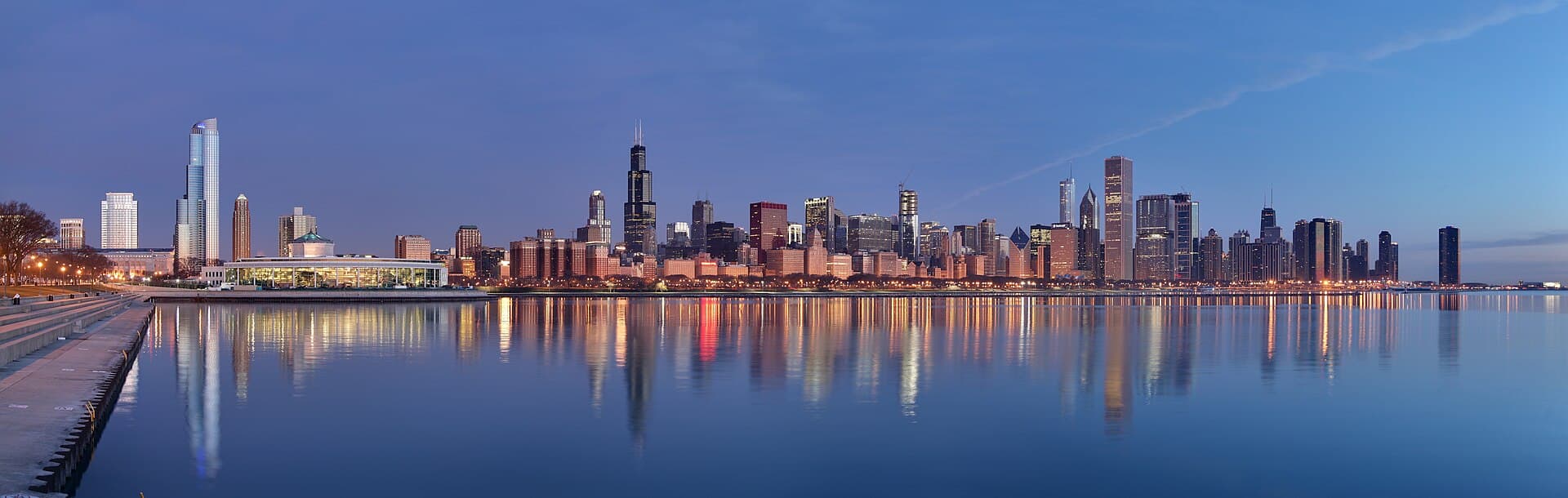
Itinerary note 06
Day 3: follow the Chicago you liked most
Use the final day to double down on the side of Chicago that felt most natural to you. If you wanted more park and neighborhood time, combine Lincoln Park with the lakefront and a slower lunch. If food, shopping, and café stops mattered more, Wicker Park and West Town make a good final-day lane. If your first two days felt rushed, keep day three lighter and use it for one neighborhood, one meal you care about, and one more skyline or river moment instead of a frantic catch-up day.
Itinerary note 07
When to book tours versus when to stay flexible
Prebook the experiences that are hard to replicate well on your own, not every attraction that has a checkout button. In Chicago that usually means the architecture river cruise, a specific food tour, or a timed museum entry you genuinely care about. Leave neighborhood wandering, river walks, and easier daytime blocks with some slack so you can respond to weather, appetite, or the simple fact that Chicago often rewards lingering more than rushing.
Itinerary note 08
How to adjust this itinerary for different travel styles
Fast movers can add another museum, observatory, or shopping stop if it fits the same geographic shape. Slower travelers should cut one major indoor stop and protect meal breaks, park time, or a cruise that helps the city breathe. Families and mixed-energy groups should keep transit simple, avoid stacking Museum Campus and a far-west dinner in the same day, and remember that rideshares can be worth it at the end of a long evening. In winter, favor shorter outdoor stretches and more indoor anchors; in summer, start earlier and protect the middle of the day.
Itinerary note 09
Mistakes that make a 3-day city trip feel rushed
The biggest mistake is zigzagging: doing a central sight, then a far lunch, then a museum, then a dinner reservation in another zone just because each item looked individually appealing. Chicago also punishes overconfidence about walking distances along the lakefront or between neighborhoods. Another common problem is overbooking tours and tickets so tightly that one weather shift or late lunch makes the rest of the day feel like recovery mode. A lighter, better-grouped plan usually produces the stronger trip.