
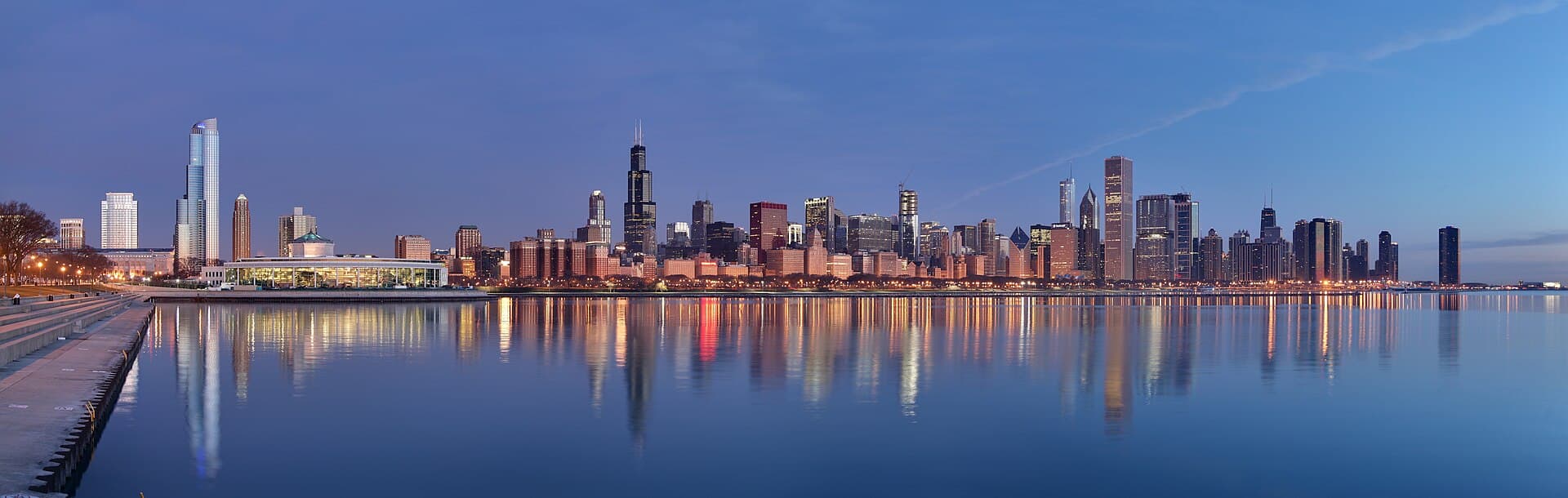
Chicago is easy to enjoy and surprisingly easy to misbook. The neighborhoods most visitors compare are all workable, but they solve different problems: the Loop minimizes first-time friction, River North keeps sightseeing and dinners close together, West Loop makes restaurant-heavy trips feel effortless, and Gold Coast or Lincoln Park give you a softer landing at the end of the day. Choose the area that makes your actual mornings, transit hops, and late returns simpler, not the one that sounds best in a generic ranking.
Good fit if…
- • travelers comparing central Chicago neighborhoods before booking a hotel
- • first-time visitors who want help choosing between Loop, River North, West Loop, and quieter alternatives
- • anyone trying to balance sightseeing efficiency, nightlife, lakefront access, and sleep quality
Skip it if…
- • you already picked a specific hotel and only need a property-level review
- • you want to stay far outside Chicago and are not comparing city neighborhoods at all
- • you plan to book only on price and ignore the final walk, transit fit, or nighttime feel
Map context
Best neighborhoods in Chicago map
Use this map to compare the main hotel districts, the transit anchors that shape first-time planning, and example stays across Chicago.
Loop
Chicago
neighborhoodBest for first-time logistics, museums, and easy L access, but quieter after business hours.
Open Loop in Google MapsRiver North / Streeterville
Chicago
neighborhoodBest central mix of restaurants, river access, and a smoother evening landing.
Open River North / Streeterville in Google MapsWest Loop
Chicago
neighborhoodBest for dining-led stays, with less immediate lakefront or museum convenience.
Open West Loop in Google MapsGold Coast
Chicago
neighborhoodGood for lakefront mornings, polished blocks, and a quieter premium feel.
Open Gold Coast in Google MapsLincoln Park
Chicago
neighborhoodGood for park access, families, and travelers who want more breathing room.
Open Lincoln Park in Google MapsWicker Park
Chicago
neighborhoodBetter for nightlife and neighborhood personality than for a tight first-timer sightseeing loop.
Open Wicker Park in Google MapsLoop / Clark-Lake
Chicago
transportUseful transfer benchmark for airport arrivals and daily L-line logic.
Open Loop / Clark-Lake in Google Maps
Specific hotel picks
Hotels worth comparing first
These are real, central options to start your search. We do not show live rates or availability here, so use the links to verify the exact room, cancellation terms, taxes, and recent guest notes.
L7 Chicago by LOTTE
Loop / river edge
Midrange to luxury- Best for
- First-time visitors who want the Loop to feel convenient rather than corporate.
- Location note
- Easy for the Riverwalk, Millennium Park, and several useful L connections.
- Why stay
- A practical downtown base if you want Chicago's core sights and transit logic to click quickly.
- Watch out
- Best for sightseeing-led trips; some surrounding blocks quiet down after work hours.
LondonHouse Chicago
River North / river
Midrange to luxury- Best for
- First-timers who want architecture-cruise access, central views, and easier nights out.
- Location note
- Walkable to the Riverwalk, bridge crossings, and the Magnificent Mile corridor.
- Why stay
- It solves the classic Chicago first-trip tradeoff by keeping both headline sightseeing and dinner options close.
- Watch out
- You are paying for one of the city’s most convenient visitor locations.
The Hoxton Chicago
West Loop
Midrange to luxury- Best for
- Travelers whose ideal Chicago day ends with a serious dinner reservation nearby.
- Location note
- Strong for Fulton Market and manageable for central sightseeing by CTA or rideshare.
- Why stay
- A smart answer when you want to stay where the evening part of the trip naturally happens.
- Watch out
- Less useful if your priority list starts with the lakefront, museums, and early-morning central touring.
Viceroy Chicago
Gold Coast
Midrange to luxury- Best for
- Couples and slower-paced travelers who want the lake nearby and downtown intensity dialed down.
- Location note
- Useful for Oak Street Beach, north Michigan Avenue, and walks toward Lincoln Park.
- Why stay
- A good fit when you want a polished home base that still keeps the central city within easy reach.
- Watch out
- Dinner plans in West Loop or farther west are more intentional from here.
Hotel Lincoln
Lincoln Park
Midrange to luxury- Best for
- Families, longer stays, and travelers who want Chicago to feel more local.
- Location note
- Close to Lincoln Park, the lakefront, and neighborhood streets that suit slower mornings.
- Why stay
- It demonstrates why Lincoln Park works when park access and a calmer reset matter as much as downtown speed.
- Watch out
- Not the most efficient choice if you will be commuting back to the Loop several times a day.
Trip planning
Compare stays against the neighborhood tradeoffs here.
Use this shortlist to decide which part of Chicago matches your trip, then compare current hotels inside that area for price, block feel, and how easy the daily routes will actually be.
Compare Chicago staysExternal partner or booking tool; check locations, terms, and current availability before committing.
Area tradeoff 01
Loop: best for first-time logistics, museums, and easy train resets.
The Loop is the safest practical answer when you want Chicago to make sense quickly. You are close to Millennium Park, the river, the Art Institute, and several useful L connections, which means the city becomes readable on day one instead of after a lot of trial and error. It also works well if you plan to use O'Hare or Midway transit links, because central transfers are cleaner from here than from more personality-driven neighborhoods. The tradeoff is emotional rather than logistical: parts of the Loop feel office-heavy at night, so it is better for travelers who want efficient sightseeing days than for people who need a lively block outside the hotel after dinner.
Area tradeoff 02
River North / Streeterville: best for a classic first trip with easier dinners and architecture-cruise access.
River North and the Streeterville edge work well for travelers who want the easiest version of central Chicago without the Loop's after-hours emptiness. You can reach the Riverwalk, Magnificent Mile side streets, architecture cruise departures, and a wider spread of restaurants on foot, which is especially useful if you like coming back to the room before heading out again. This area also suits couples or short-stay visitors who want Chicago to feel polished and intuitive from morning coffee to late dinner. The cost is usually price and crowds: hotels can run high, and some blocks feel built around visitors rather than everyday city life.

Area tradeoff 03
West Loop: best if food is a major reason you're coming.
West Loop is the right call when reservations in Fulton Market are not a side note but part of the trip's core shape. Staying here saves you the annoying end-of-night decision between one more rideshare or an early retreat just because your hotel is on the other side of town. It feels more neighborhood-led and less postcard-driven than the riverfront core, which many repeat visitors prefer. The tradeoff is that the lakefront, Museum Campus, and the most obvious first-timer sights become deliberate outings rather than easy filler between other plans.
Area tradeoff 04
Gold Coast: best for a polished stay near the lake without full downtown intensity.
Gold Coast works for travelers who want Chicago to feel elegant, walkable, and a little quieter without disconnecting from the center. You are well placed for Oak Street Beach, the north end of Michigan Avenue, and pleasant walks toward Lincoln Park, which makes mornings feel calmer than they do in denser tourist pockets. It is a strong fit for couples, slower-paced city breaks, and travelers who care about coming home to a more residential-feeling block. You give up some dinner density and some easy access to West Loop nights, so it helps most when lakefront time and sleep quality matter more than being in the middle of everything.
Area tradeoff 05
Lincoln Park: best for families, repeat visitors, and people who want room to breathe.
Lincoln Park is where Chicago starts feeling lived in instead of purely visited. The park itself, zoo access, neighborhood cafés, and the lakefront make it appealing for families, longer stays, or anyone who wants a gentler pace between sightseeing blocks. It can be a smart first-time choice if your trip is more about enjoying the city than checking off every central attraction as fast as possible. The compromise is simple: downtown returns take more intention, especially if you will be going back and forth repeatedly for river cruises, museums, or evening plans.

Area tradeoff 06
Wicker Park: best for nightlife, cafés, and a more local-feeling west side stay.
Wicker Park suits travelers who want more bars, coffee shops, boutiques, and neighborhood energy than the classic central districts offer. It can be a very fun base if you already know that Chicago dining and late-night movement matter more to you than waking up by Millennium Park. The Blue Line also gives it real utility, especially if you are balancing central sightseeing with airport logic. But for a compact first trip built around architecture, lakefront icons, and museums, it is usually better as a place to visit than the default place to sleep.
Area tradeoff 07
How to choose between the main Chicago neighborhoods
Start with the route you expect to repeat most. If your days revolve around Millennium Park, the river, museums, and transit, pick the Loop or River North. If dinners and nights out are central, West Loop and Wicker Park reduce friction. If you want lake access, prettier residential streets, and a calmer reset, Gold Coast or Lincoln Park usually lands better. For many first-timers, River North is the middle ground: more forgiving at night than the Loop, easier for headline sights than West Loop, and more central to common tourist routes than Lincoln Park.
Area tradeoff 08
Booking checks that matter more than the neighborhood headline
Zoom in before you pay. In Chicago, the exact block determines how the neighborhood actually feels: whether the walk from the L is straightforward with luggage, whether late-night rideshares drop you somewhere comfortable, whether the hotel is near a pleasant breakfast zone, and whether road noise or nightlife spills matter for sleep. Winter wind, summer heat, and long avenue crossings all make a mediocre micro-location feel worse than it looked on a map. A good district choice only turns into a good stay when the last two blocks also make sense.