
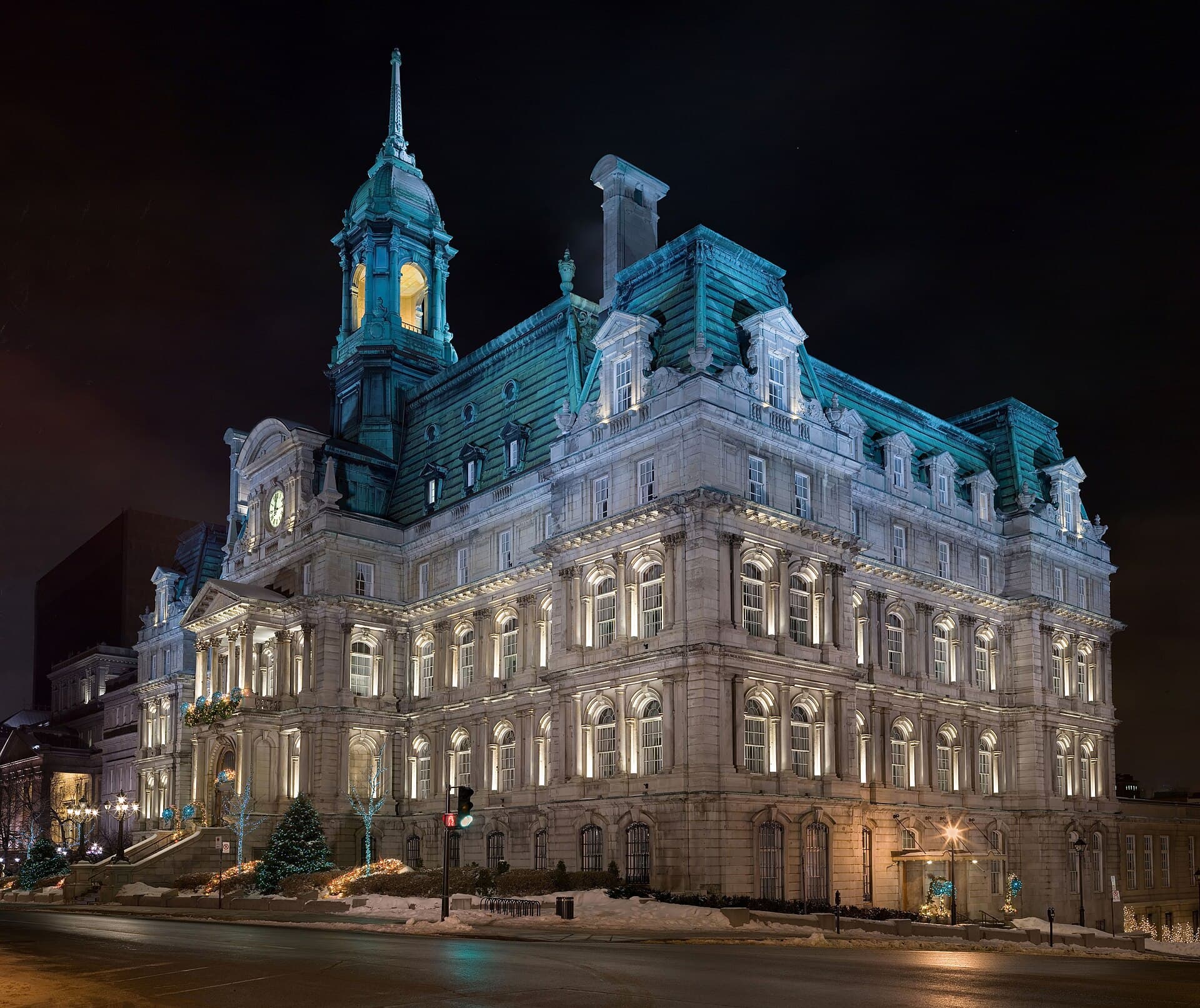
Three days in Montreal is enough for a genuinely satisfying first visit if you stop trying to treat every neighborhood like one interchangeable center. Old Montreal, Downtown, the Plateau, Mile End, and Mount Royal each reward a slightly different pace. This itinerary keeps the classic sights, but it also respects the things that really shape the trip: cobblestones and heat in the old core, uphill walking around Mount Royal, the usefulness of the metro, and the fact that Montreal often feels best when one long meal or neighborhood wander is allowed to count as real sightseeing.
Map context
Montreal 3-day itinerary map
Plot the main sight clusters, optional tour anchors, and neighborhood pivots that keep a 3-day Montreal trip geographic instead of scattered.
Notre-Dame Basilica
Montreal
landmarkNatural day-one anchor inside the old core.
Open Notre-Dame Basilica in Google MapsOld Port
Montreal
landmarkUseful for orientation and one slower waterfront stretch, not just quick photos.
Open Old Port in Google MapsMount Royal
Montreal
landmarkBest tackled when your legs are fresh and the weather is cooperating.
Open Mount Royal in Google MapsJean-Talon Market
Montreal
landmarkWorks best when paired with a neighborhood block rather than as a standalone transit errand.
Open Jean-Talon Market in Google MapsPlace des Arts
Montreal
landmarkGood central pivot if you are combining downtown culture with nearby neighborhoods.
Open Place des Arts in Google MapsSaint Joseph's Oratory
Montreal
landmarkStronger as a deliberate half-day anchor than as a rushed add-on.
Open Saint Joseph's Oratory in Google MapsDowntown / René-Lévesque
Montreal
transportHandy benchmark for regrouping, airport transfers, or re-centering a tired itinerary.
Open Downtown / René-Lévesque in Google Maps
Bookable ideas
Tours and activities to compare
Use these as a starting point, then verify the meeting point, cancellation terms, group size, and recent reviews before booking.
Old Montreal history and architecture walk
Walking tour
2–3 hours- Best for
- First-time visitors who want Old Montreal to land as more than a pretty walk between churches and river views.
- Why book
- A good guide can give the old core historical shape without requiring much extra logistics from your day.
- Watch out
- Weather and walking surface matter; wind, heat, or winter conditions can change the experience a lot.
Plateau and Mile End food tour
Food tour
3 hours- Best for
- Travelers who want the everyday Montreal side of the city through neighborhoods, snacks, and local context.
- Why book
- It helps the Plateau and Mile End feel interpreted rather than just browsed between café stops.
- Watch out
- Read the operator details for pace, standing time, and portion style so it matches the kind of evening you want.
Mont Royal and downtown bike route
Bike tour
3–4 hours- Best for
- Visitors in decent weather who want a faster big-picture feel for Montreal without spending the whole day on transit.
- Why book
- It can connect Mount Royal, downtown, and neighborhood geography in a way that makes the rest of the trip easier to understand.
- Watch out
- Only book if you are genuinely comfortable riding in a city and the weather supports it.
Quebec City or Eastern Townships day trip
Day trip
10–12 hours- Best for
- Travelers with extra time or a strong urge to compare Montreal with another Quebec destination in one trip.
- Why book
- A structured day trip can be easier than self-building a long excursion if contrast matters to you.
- Watch out
- It is still a long day and usually not the best use of time on a tightly packed first Montreal visit.
Trip planning
Check guided options against the timing in this guide.
Use a tour for the part of Montreal that genuinely benefits from context or easier logistics, then leave the neighborhood-heavy parts of the trip flexible.
Browse Montreal toursExternal partner or booking tool; check locations, terms, and current availability before committing.
Itinerary note 01
How to use this 3-day plan
This itinerary is built as route logic, not as a rigid timetable. Montreal feels better when you group the city by zone and give each area enough breathing room to make sense. Use mornings for the places where crowds, weather, or your own energy matter most. Use the metro when it genuinely shortens a move, but do not force needless cross-city hops just because a map makes them look tidy. If it is cold, rainy, or very hot, shrink the walking ambition and protect the indoor or café resets rather than pretending the same summer plan still applies.
Itinerary note 02
Day 1: build your mental map with Old Montreal, Old Port, and the downtown edge
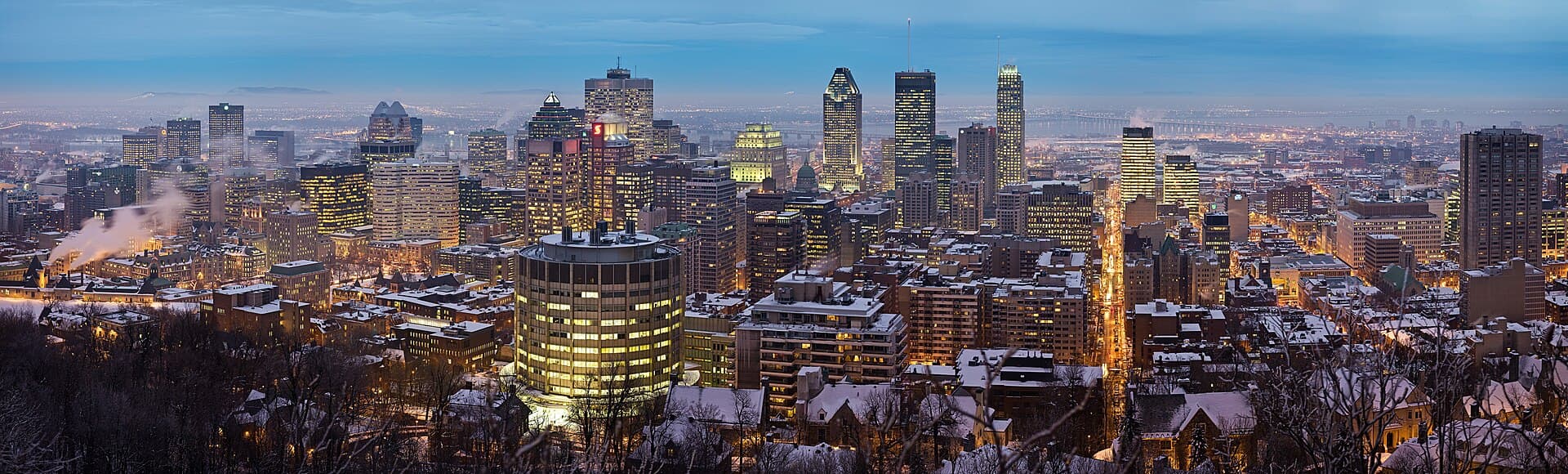
Start with the part of Montreal most first-time visitors need to understand first: Old Montreal and the downtown edge. A smart day-one loop usually includes Notre-Dame Basilica, a walk through the old streets, time by the Old Port, and one transition into the downtown grid so the city stops feeling like separate postcard fragments. Do not overschedule this day. Cobblestones, photo stops, and the temptation to linger by the water can slow you down more than expected, and that is fine. The goal is orientation: you want to understand how the old core connects to the modern center before you start chasing every other neighborhood.
Itinerary note 03
Day 1 evening: give yourself one easy dinner district and a gentle read on the city at night
For the first evening, keep the logistics light. If you are staying in Old Montreal or Downtown, have dinner nearby or make one simple move into the Plateau or Quartier des Spectacles rather than stringing together multiple neighborhoods. The useful first-night question is not how much you can squeeze in. It is which part of Montreal feels most natural once the daytime sightseeing strips out and people are just living their evening. That answer often tells you where to spend your free time on day three.
Itinerary note 04
Day 2: pair Mount Royal, a major sight cluster, and one neighborhood with real texture
Use day two for the city's more demanding sightseeing block while your legs and attention are still fresh. A common good pattern is Mount Royal or Saint Joseph's Oratory in the first half of the day, then a return toward Downtown, Place des Arts, or another central anchor before shifting into Plateau Mont-Royal or Mile End later. This keeps the uphill or longer-distance element from colliding with your most wandering-heavy neighborhood time. It also stops the day from becoming a marathon of disconnected attractions. Montreal rewards one well-shaped day far more than six 'must-sees' that never form a rhythm.
Itinerary note 05
Day 2 evening: add a tour only if it solves a real gap
Day two evening is the best place for a tour or curated experience because by then you know what the city still owes you. If Old Montreal felt beautiful but too surface-level, a history walk can add context. If the Plateau and Mile End interest you but you do not want to self-navigate the food side, that is where a food tour can earn its place. If the weather is great and you want broader city orientation, a bike route can be the better call. The wrong booking is the one that duplicates what you already handled well on your own.
Itinerary note 06
Day 3: let the city tilt toward your favorite version of itself
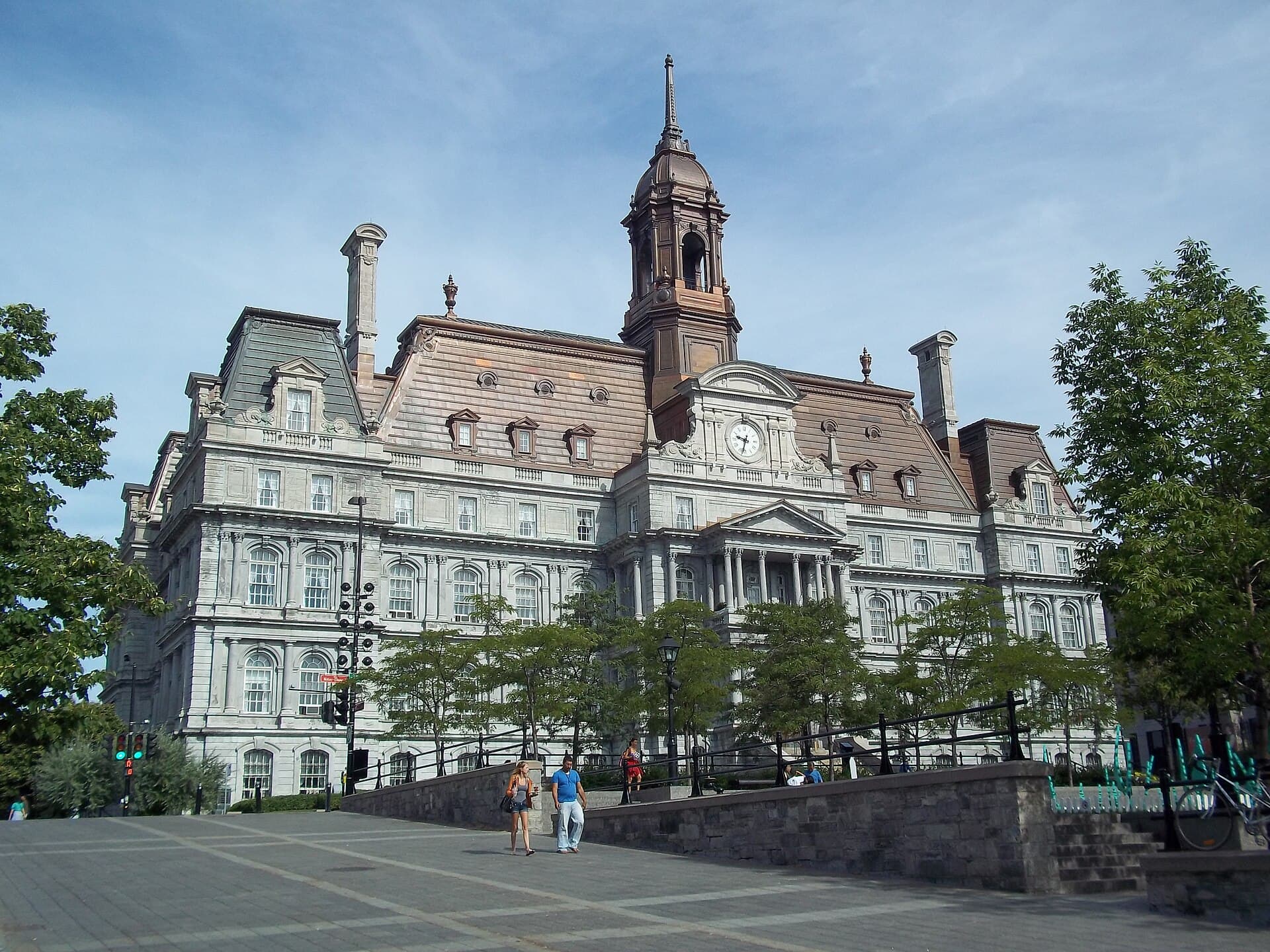
Use the third day to deepen the part of Montreal that most clicked for you. If you loved the neighborhood side, give the Plateau, Mile End, Jean-Talon Market, or a museum-and-lunch block real time. If you preferred the classic side, return to Mount Royal viewpoints, the Old Port, or a major church or museum you skipped earlier. This is also the cleanest place for a day trip, but only if leaving the city is a real priority. Many first-time visitors enjoy Montreal more when day three stays inside the city and lets the pace relax.
Itinerary note 07
When to book tours versus when to stay flexible
Book the part that is hardest to improvise well on your own. In Montreal, that is usually the capacity-limited tour, the evening activity that would otherwise feel logistically awkward, or the guided walk that turns a beautiful district into an intelligible one. Keep the simpler daytime blocks flexible enough to absorb weather and appetite. A city with strong neighborhood personality benefits from that looseness because you may find yourself wanting to stay longer in one area once it actually clicks.
Itinerary note 08
How to adjust this itinerary for different travel styles
Fast movers can add one museum, market, or viewpoint to each day as long as it stays in the same geography. Slower travelers should cut one formal sight before cutting the walks, lunches, and pauses that make Montreal enjoyable. Families and mixed-energy groups should simplify transfers and avoid stacking Mount Royal, Old Port, and a far-flung dinner in the same day. In winter, shorten exposed walking time and be less ambitious about crisscrossing neighborhoods simply because they looked close on the map.
Itinerary note 09
Mistakes that make a 3-day Montreal trip feel rushed
The main mistake is treating every famous place as equally urgent and equally easy to combine. Another is underestimating the time taken by hills, weather, metro transfers, or long restaurant meals in neighborhoods you actually end up loving. Some travelers also force a major day trip into a short stay before they have even seen Montreal itself properly. The better plan is usually more geographic, less performative, and willing to leave one optional item undone.