
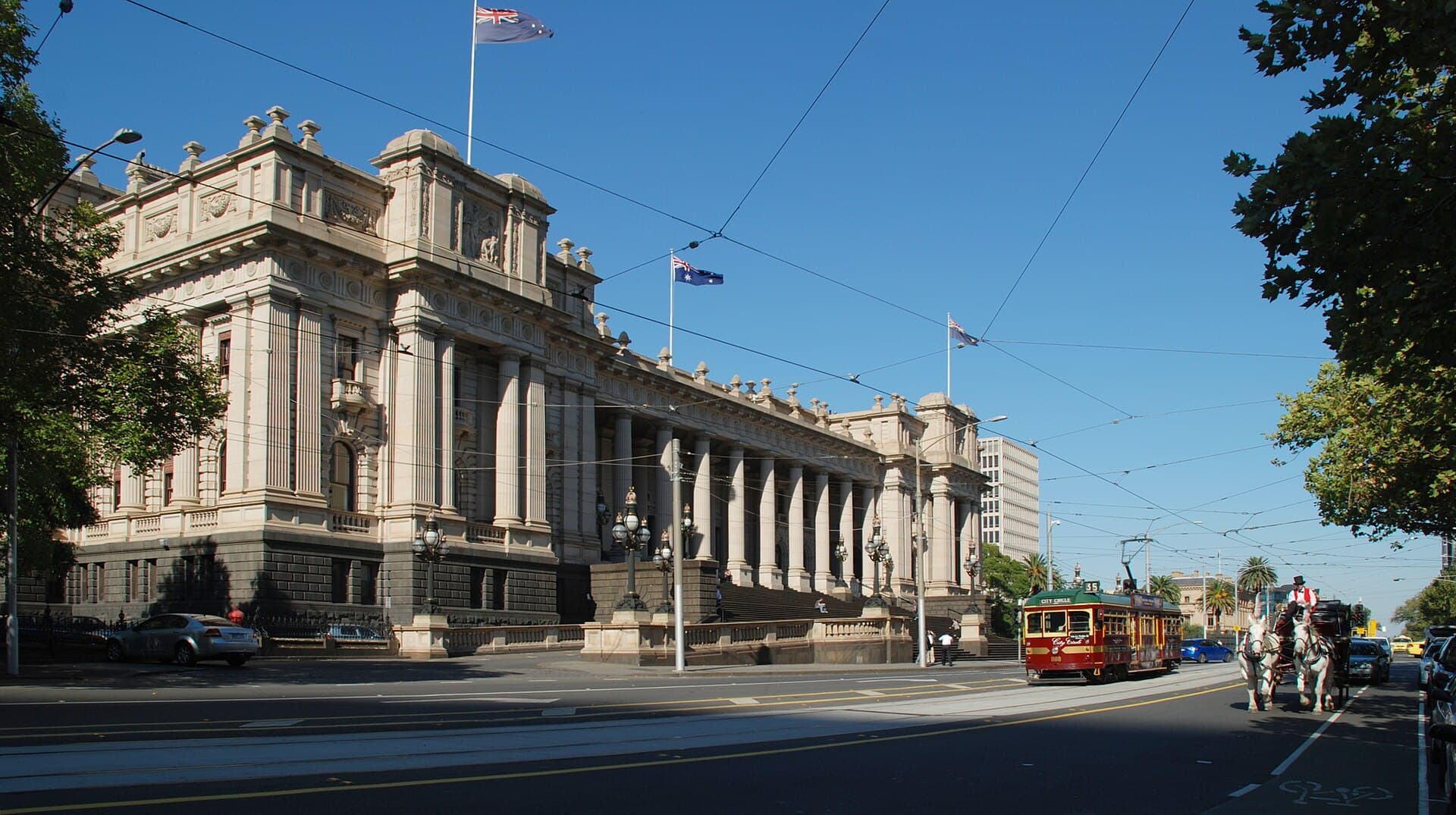
Three days in Melbourne is enough for a very good first trip if you stop trying to cover the entire city like one walkable district. The city rewards geography, not checklist panic. Keep the central grid and laneways together, pair the arts and garden side on another day, and use the final day for the version of Melbourne you end up liking most. That structure also gives you room for weather swings, which matter here more than many visitors expect.
Map context
Melbourne 3-day itinerary map
Plot the main sight clusters, optional tour anchors, and neighborhood pivots that shape a smart 3-day route through Melbourne.
Federation Square
Melbourne
landmarkUseful day-one anchor for getting your bearings in the CBD and surrounding laneway core.
Open Federation Square in Google MapsFlinders Street Station
Melbourne
landmarkA practical orientation point for understanding how central Melbourne connects.
Open Flinders Street Station in Google MapsQueen Victoria Market
Melbourne
landmarkBest added when it fits naturally into the central route rather than as a forced cross-city detour.
Open Queen Victoria Market in Google MapsRoyal Botanic Gardens
Melbourne
landmarkStrong day-two anchor when you want the greener, slower side of the city.
Open Royal Botanic Gardens in Google MapsNational Gallery of Victoria
Melbourne
landmarkNatural pairing with Southbank and the gardens rather than a standalone mission.
Open National Gallery of Victoria in Google MapsHosier Lane
Melbourne
landmarkBetter treated as part of a central walk than as a major single-purpose stop.
Open Hosier Lane in Google MapsSouthern Cross Station
Melbourne
transportHelpful reference for airport transfers, day-trip logistics, and checking whether your route is staying efficient.
Open Southern Cross Station in Google Maps
Bookable ideas
Tours and activities to compare
Use these as a starting point, then verify the meeting point, cancellation terms, group size, and recent reviews before booking.
Melbourne laneways and arcade walking tour
Walking tour
2–3 hours- Best for
- First-time visitors who want the central city to feel explained rather than just walked through.
- Why book
- It helps decode the arcades, laneways, and city shortcuts that can otherwise blur together on a short stay.
- Watch out
- Choose based on whether you want more history, coffee, or street-art emphasis rather than assuming every tour feels the same.
Melbourne food and coffee small-group route
Food tour
3 hours- Best for
- Travelers who care about eating well but do not want to spend a prime evening researching every block.
- Why book
- A good shortcut when Melbourne dining is part of the point of the trip and you want help separating the worthwhile from the random.
- Watch out
- Read the inclusions closely if you want one satisfying meal rather than several smaller stops.
Yarra evening cruise or riverside experience
Evening sightseeing
1.5–2 hours- Best for
- Visitors who want one easy scenic night that does not require much planning energy.
- Why book
- It can be a pleasant reset after a full sightseeing day, especially for travelers who want an easier evening pace.
- Watch out
- Nice to have, not essential, so do not let it crowd out a neighborhood evening you would enjoy more.
Great Ocean Road or Yarra Valley day trip
Day trip
10–12 hours- Best for
- Travelers who know one major excursion is central to the trip, not an afterthought.
- Why book
- A guided day trip can remove a lot of planning friction for Melbourne's most common full-day escapes.
- Watch out
- Both take a real bite out of a 3-day itinerary, and Phillip Island style outings bring the same issue even when the theme is different.
Trip planning
Check guided options against the timing in this guide.
Use a tour for the parts of Melbourne that benefit from context or hard-to-self-plan logistics, then keep the rest of the trip flexible enough to follow weather and neighborhood momentum.
Browse Melbourne toursExternal partner or booking tool; check locations, terms, and current availability before committing.
Itinerary note 01
How to use this 3-day plan
Treat this itinerary as route logic, not a rigid schedule. Melbourne changes character quickly from the CBD to Southbank to Fitzroy, and the trip feels better when you let each area do what it is good at instead of forcing constant cross-city zigzags. Build around one main zone at a time, keep meals in places worth lingering, and leave a little slack for weather. 'Four seasons in a day' is an overused Melbourne line, but the practical lesson is real: sunshine, wind, and rain can all affect how long you want to be outside.
Itinerary note 02
Day 1: build your mental map in the easiest central zone
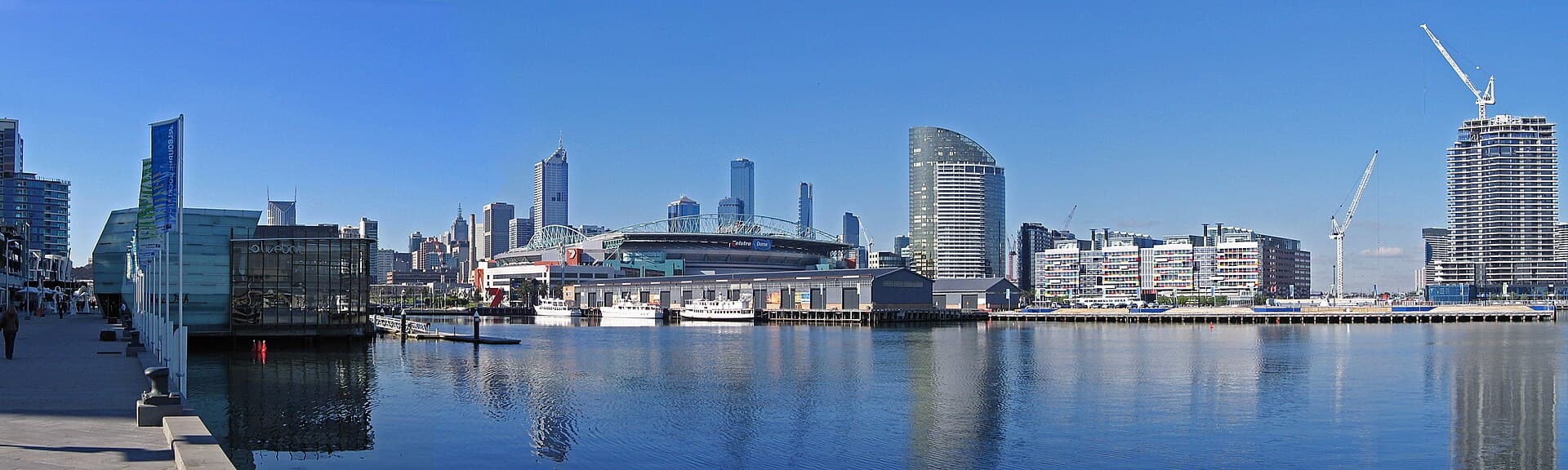
Start around Federation Square, Flinders Street Station, and the nearby laneway core so Melbourne becomes legible early. Add a market, arcade, river walk, or one museum only if it fits naturally without forcing long detours. The goal on day one is to understand how the CBD grid works, where the tram corridors help, and which parts of central Melbourne feel worth revisiting later. Keep coffee and lunch in the plan as real stops, not filler between landmarks. Melbourne is one of those cities where a good meal break often improves the day as much as one more sight.
Itinerary note 03
Day 1 evening: stay where dinner and atmosphere are naturally strongest
For your first evening, shift toward Fitzroy or Collingwood if you want a stronger feel for Melbourne after work hours. That is often where the city reads less like a sightseeing grid and more like a place people actually use. If your hotel is in the CBD or Southbank and you are tired, it is also perfectly reasonable to keep the night close to home rather than turning dinner into another mission. The main idea is to end the first day somewhere with real atmosphere, not on the nearest convenient block once your feet give up.
Itinerary note 04
Day 2: do the denser classic-sights block while your energy is highest
Use day two for the Southbank, NGV, and Royal Botanic Gardens side, plus any central landmark you skipped on day one. These places fit together better than many first-timers realize, and they give the day a calmer rhythm than trying to bounce between distant neighborhoods. If the weather is rough, lean a little harder into indoor stops and keep the gardens flexible. If it is clear, this is the day to enjoy Melbourne's habit of rewarding long walks with small café or riverfront pauses rather than nonstop attraction-hopping.
Itinerary note 05
Day 2 evening: add one guided or curated experience if it fills a real gap
This is a good evening for a laneways walk, coffee-and-food tour, or another curated experience that explains a side of Melbourne you might otherwise only skim. The best tours here are not the ones that simply move you around. They are the ones that help you notice the city better or solve a real confidence problem, such as choosing where to eat in a place with too many good options. If you already feel oriented, skip the booking and use the night for one dinner you genuinely care about.
Itinerary note 06
Day 3: use the city's natural extension day
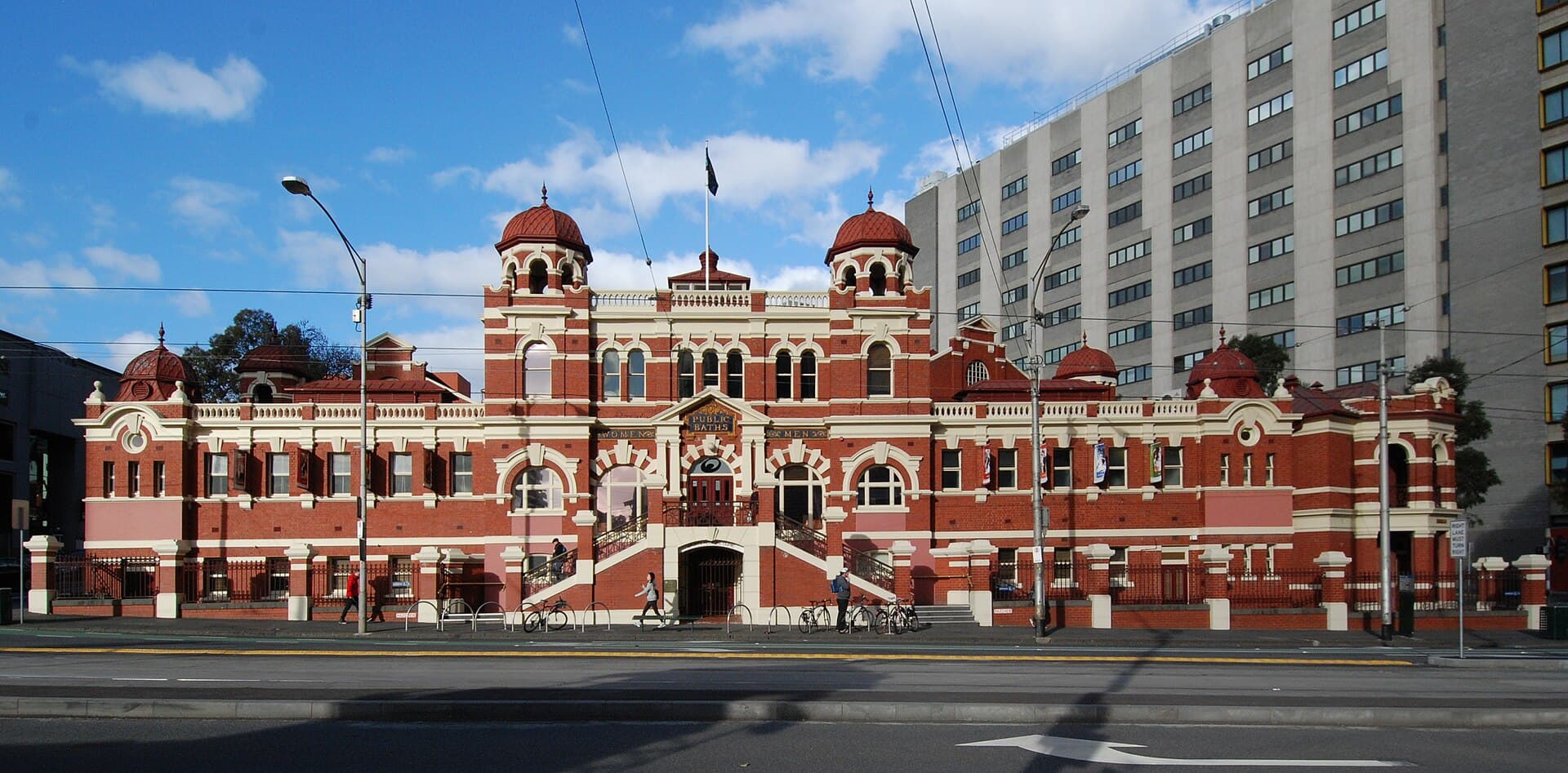
Use the final day for the Melbourne that seems most like your version of the city. That might mean a slower Carlton and museum day, more time around Fitzroy and Collingwood, a St Kilda outing if you deliberately want the bay, or a market-and-neighborhood mix. This is also the only sensible place to put a major day trip, but be honest about the tradeoff. Great Ocean Road, Yarra Valley, and Phillip Island are all viable ideas, yet each one turns the day into its own project. On a short first trip, staying in the city is often the more satisfying choice unless the excursion is a true priority.
Itinerary note 07
When to book tours versus when to stay flexible
Prebook the experience that is hard to replicate well on your own, not every slot in the itinerary. In Melbourne that often means a day trip, a small-group food or laneway tour, or a time-sensitive event you genuinely care about. Keep ordinary neighborhood wandering loose. The city often rewards changing course after a good coffee, spending longer over lunch, or staying in the district that unexpectedly clicks. Too much prebooking can flatten exactly the side of Melbourne people usually end up liking.
Itinerary note 08
How to adjust this itinerary for different travel styles
Fast movers can add another museum, market, or rooftop stop as long as it stays within the same geographic lane. Slower travelers should do the opposite and protect downtime, because Melbourne is better with a bit of breathing room than as a sprint between pins on a map. Families and mixed-energy groups should keep transfers simple, use the tram when it genuinely saves effort, and be realistic about weather. If it is windy, hot, or drizzly, a lighter plan almost always feels smarter than trying to prove the itinerary can survive conditions it was never meant to ignore.
Itinerary note 09
Mistakes that make a 3-day city trip feel rushed
The usual mistake is adding a major day trip automatically, then wondering why the city itself feels unfinished. Another is treating Fitzroy, St Kilda, Southbank, and the CBD as if they all belong in the same casual day. They do not. Melbourne is manageable, but it is not tiny, and the mood shifts from area to area are part of the appeal. A better three-day plan is slightly lighter, more geographically honest, and willing to leave one optional thing undone so the trip still has some ease.