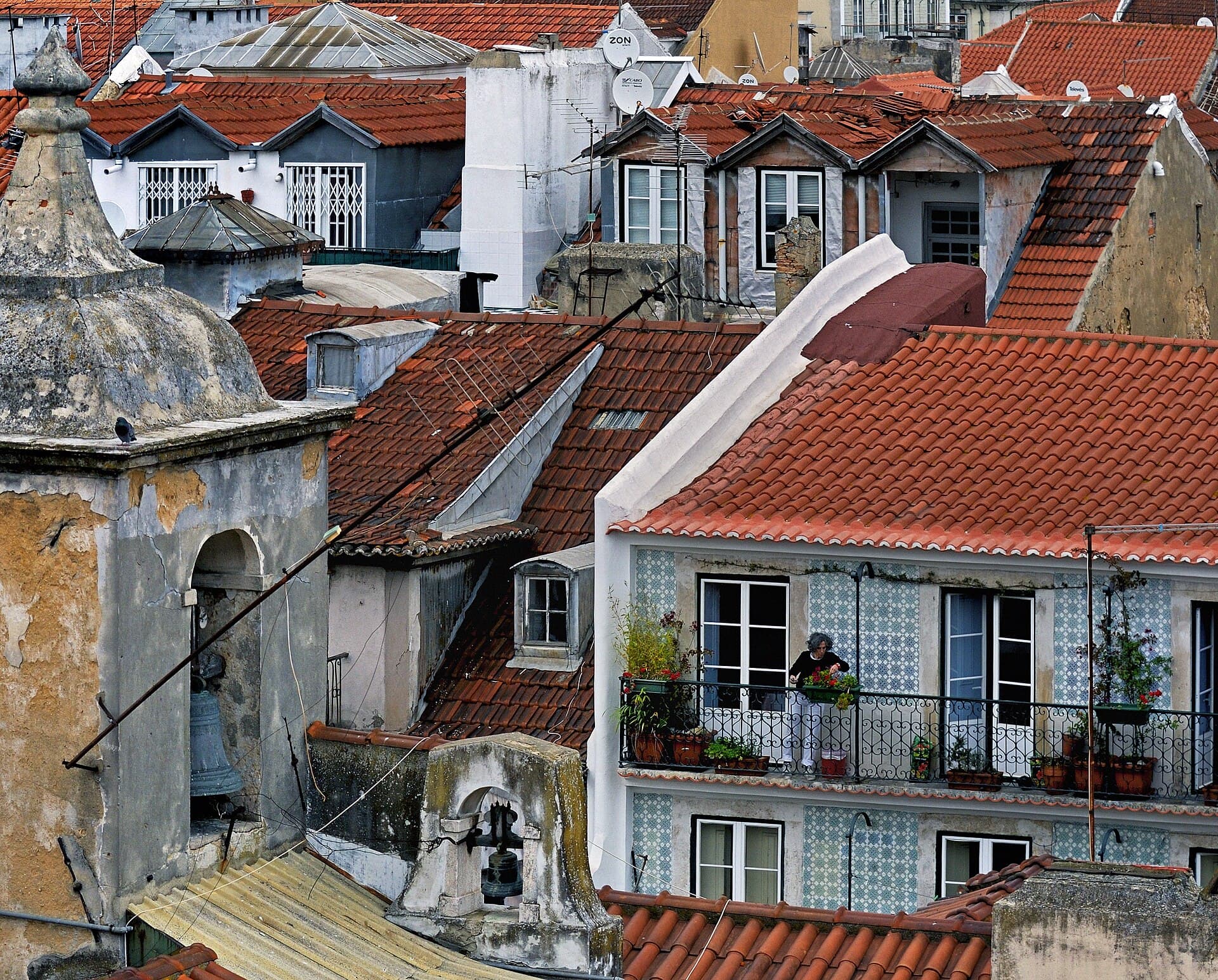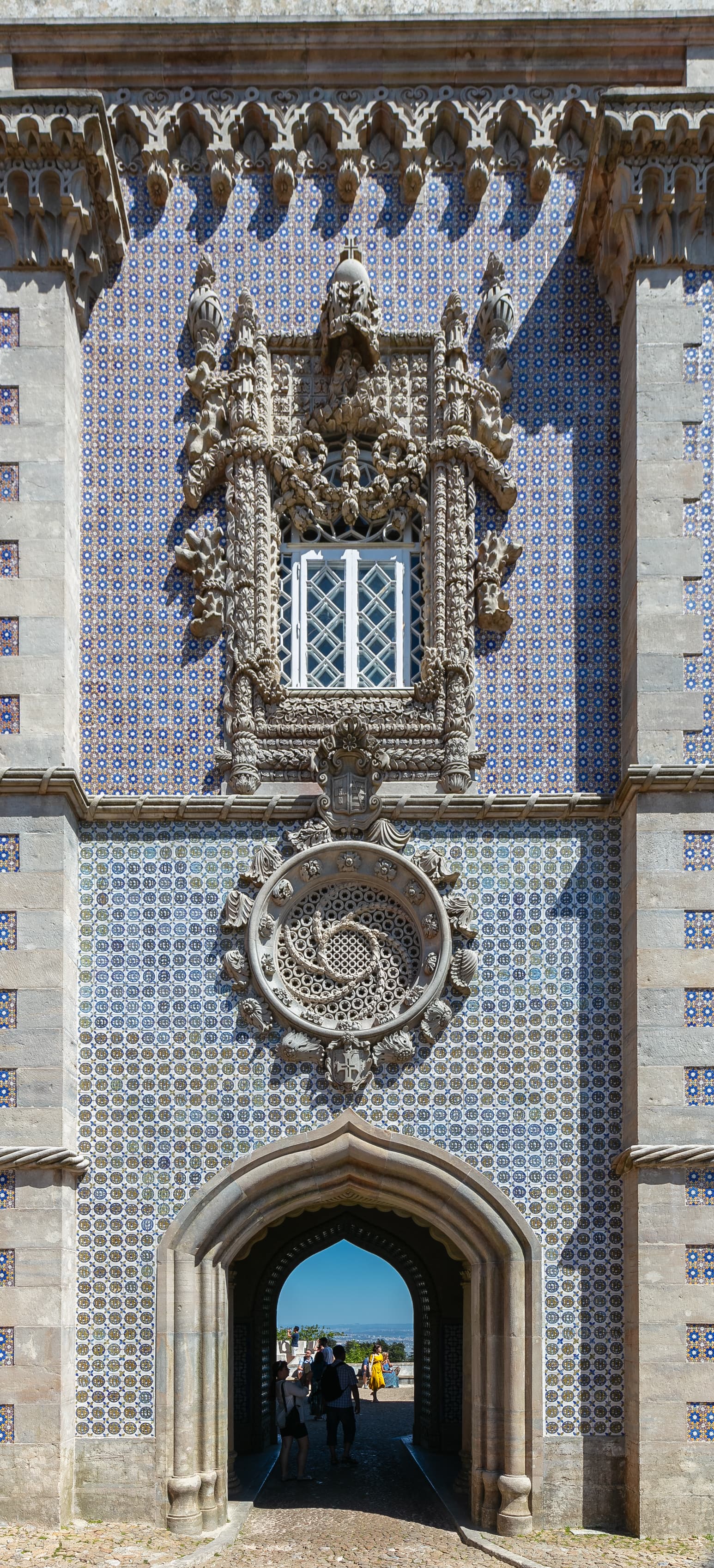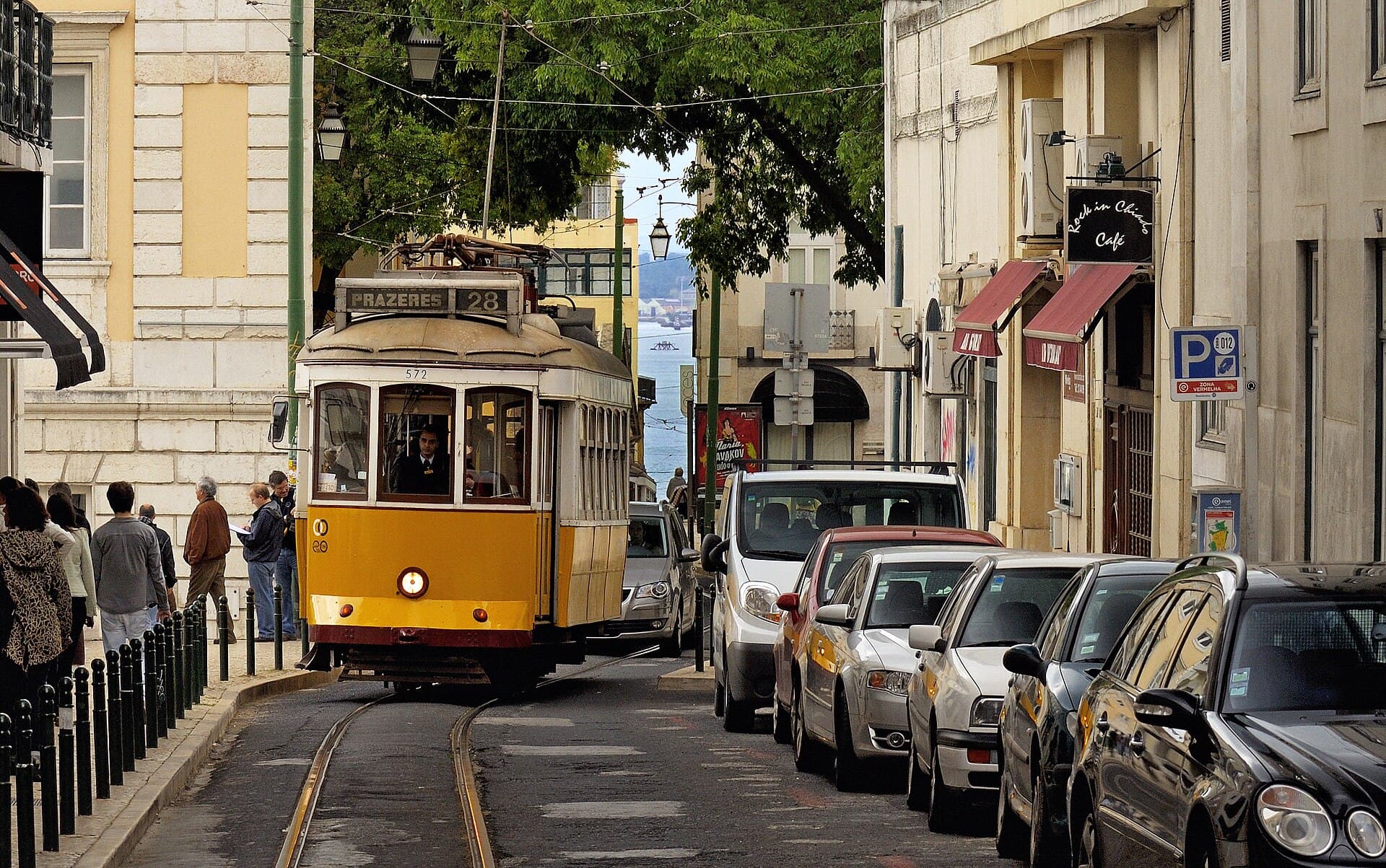
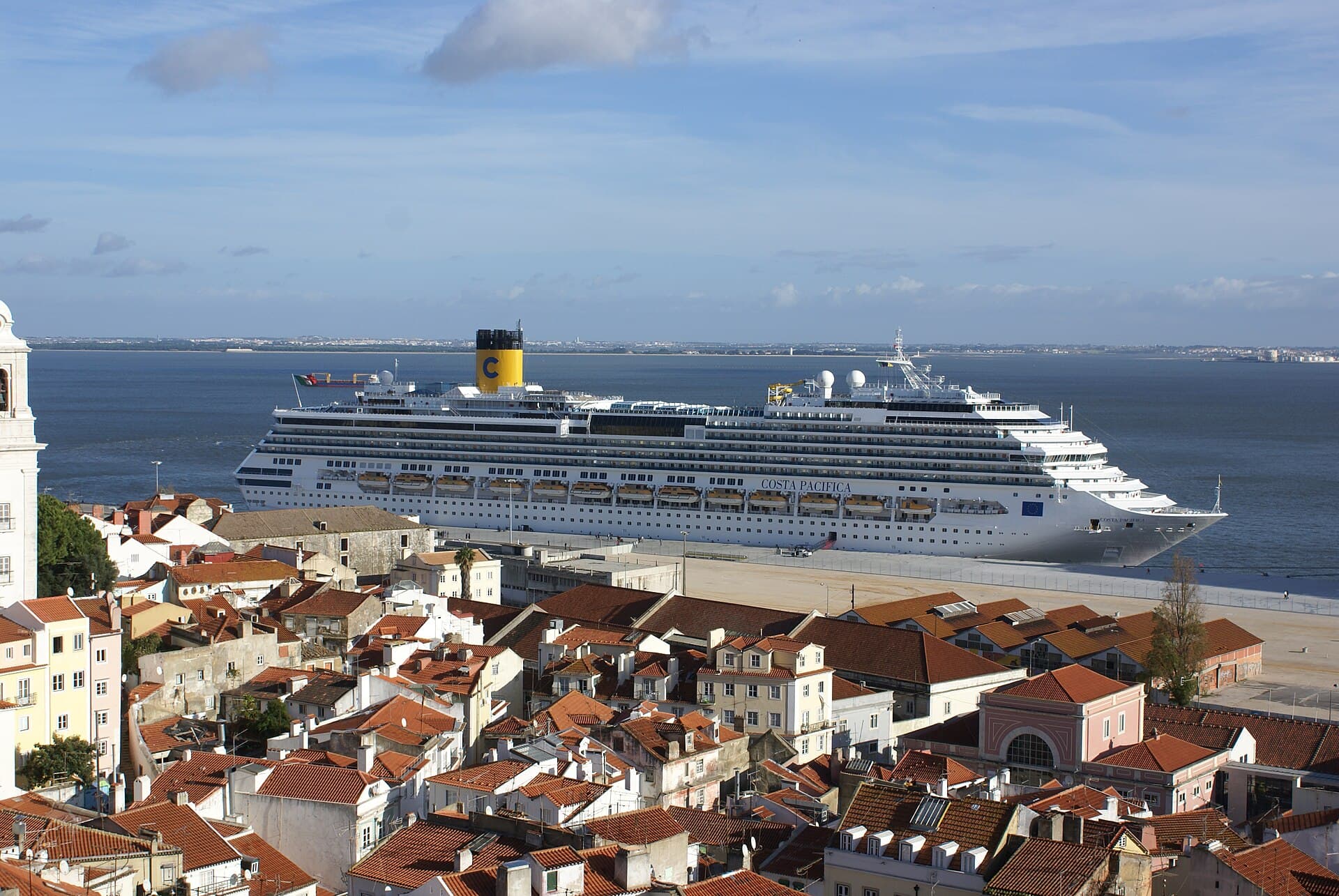
Alfama is the Lisbon neighborhood people imagine before they land: tiled facades, church bells, steep alleys, viewpoints over the Tagus, and a maze that feels romantic right up until you are hauling a suitcase over calçada. It can be one of the best places to stay in Lisbon, but only if you choose it on purpose. Alfama rewards travelers who want atmosphere, wandering, and old-city texture to shape the trip. It frustrates travelers who need easy taxi drop-off, flat walks, or a quick metro hop every time they leave the hotel.
Good fit if…
- • travelers prioritizing atmosphere and old-city character
- • couples and slow walkers who enjoy wandering
- • visitors planning viewpoints, castle visits, and fado evenings
Skip it if…
- • you need flat streets or easy luggage logistics
- • you want quick nightlife access with minimal noise
- • you prefer modern hotel setups over historic character
Map context
Alfama stay and walking context
Use this map to compare lower-edge access, castle-hill climbs, viewpoint anchors, and the drop-off points that decide whether Alfama feels magical or just hard work.
Alfama
Historic east-center Lisbon
neighborhoodCore old-quarter zone where atmosphere is high and easy logistics are not guaranteed.
Open Alfama in Google MapsPortas do Sol
Alfama ridge
landmarkUseful orientation point for viewpoints and for judging whether a hotel sits higher than you really want.
Open Portas do Sol in Google MapsLisbon Cathedral
Alfama edge
landmarkOne of the easiest lower-entry landmarks between Baixa and the Alfama climb.
Open Lisbon Cathedral in Google MapsSanta Apolónia Station
East Alfama edge
transportHelpful for some arrivals, but still not a substitute for checking the final uphill approach.
Open Santa Apolónia Station in Google MapsMemmo Alfama
Lower Alfama
hotelExample of a stay that keeps the atmosphere while reducing some of Alfama's usual access pain.
Open Memmo Alfama in Google MapsSantiago de Alfama
Castle / upper Alfama edge
hotelExample of a more immersive old-quarter stay that asks more from you logistically.
Open Santiago de Alfama in Google Maps
Specific hotel picks
Hotels worth comparing first
These are real, central options to start your search. We do not show live rates or availability here, so use the links to verify the exact room, cancellation terms, taxes, and recent guest notes.
Memmo Alfama
Lower Alfama
Upscale boutique- Best for
- Couples who want an Alfama stay that still keeps some daily logistics under control.
- Location note
- Close to Portas do Sol and easier than many higher-hill addresses for walking down toward Baixa.
- Why stay
- It solves the classic Alfama tradeoff well: strong neighborhood atmosphere without forcing you all the way into the most awkward arrival routes.
- Watch out
- It is still Alfama, so expect cobbles, some slope, and the need to confirm where a taxi can realistically stop.
Santiago de Alfama
Castle / upper Alfama edge
Luxury boutique- Best for
- Travelers who want service and character, and are comfortable paying for a more immersive old-quarter stay.
- Location note
- Walkable to the cathedral and Portas do Sol, but some routes involve steps and slower returns.
- Why stay
- Best for travelers who want Alfama to feel like the main event rather than just a sightseeing backdrop.
- Watch out
- A beautiful fit for the right traveler, but a poor one if you are already worried about hills, arrival friction, or simple in-and-out movement.
Hotel Convento do Salvador
Graça / Alfama edge
Midrange- Best for
- Visitors who want old Lisbon nearby without committing to the deepest maze-like streets.
- Location note
- A short walk from lower Alfama sights, with simpler pickup logic than many deep-lane properties.
- Why stay
- A sensible compromise if you want character in the day but less drama on arrival or airport-transfer morning.
- Watch out
- If your dream is to wake up fully inside the densest part of Alfama, this will feel a little more practical than romantic.
Solar do Castelo
Castle hill
Upscale boutique- Best for
- Repeat visitors who actively want the castle-hill version of old Lisbon and know the tradeoff.
- Location note
- Near São Jorge Castle and best approached as a destination stay rather than a convenience play.
- Why stay
- Book it when sleeping in the upper historic zone is part of the story you want from the trip.
- Watch out
- The location solves almost none of the usual convenience problems, so it is only a good pick when you genuinely value the character more.
Bookable ideas
Tours and activities to compare
Use these as a starting point, then verify the meeting point, cancellation terms, group size, and recent reviews before booking.
Alfama walking tour with viewpoints and cathedral stops
Walking tour
2-3 hours- Best for
- First-timers who want Alfama to make sense before they start improvising through the lanes.
- Why book
- A guided walk helps you understand how Alfama, the cathedral side, and the viewpoints connect, which makes later wandering much more enjoyable.
- Watch out
- Check the starting point carefully because an uphill start in summer changes the feel of the whole tour.
Fado dinner experience in Alfama
Music and dinner
2-3 hours- Best for
- Travelers who want one deliberate Alfama evening instead of drifting into a random overpriced show.
- Why book
- Useful when you want the neighborhood's evening culture to feel anchored and not like one more planning problem after a long day.
- Watch out
- Read the current format closely; the best fit is usually a strong music experience first, not the one promising the most elaborate menu copy.
Tuk-tuk or e-bike old Lisbon overview
City overview tour
1.5-3 hours- Best for
- Visitors who want Alfama, Graça, and nearby hills without turning the first day into an endurance test.
- Why book
- A smart way to understand Lisbon's geography early, especially if hills might otherwise keep you from seeing the upper neighborhoods well.
- Watch out
- Less intimate than walking and not always able to reach every narrow lane you may imagine from the photos.
Trip planning
Check guided options against the timing in this guide.
These tours work best when you want context for the lanes, viewpoints, and fado side of Alfama without wasting energy on bad route planning.
Search Lisbon toursExternal partner or booking tool; check locations, terms, and current availability before committing.
Neighborhood note 01
What staying in Alfama actually feels like
Staying in Alfama means accepting that the neighborhood itself is part of the itinerary. You do not just pass through it on the way to sights; you are constantly inside the setting that makes Lisbon feel like Lisbon. Mornings are quieter, late afternoons are beautiful, and short walks often turn into scenic detours because the lane that looked practical on the map suddenly opens into a miradouro or a staircase. That is the upside. The downside is that even routine things like heading back for a rest or meeting a car can take more effort than in Baixa or Chiado.
Neighborhood note 02
The tradeoff is convenience
Alfama is not a low-friction base. Streets are steep, paving can be slick, and some addresses involve steps or narrow turns where cars cannot get especially close. That matters more than many guides admit because the inconvenience is not a one-time problem. You feel it on arrival day, after dinner, in summer heat, and whenever you are tired and just want the easy route home. Choose Alfama because the atmosphere is worth paying for with a bit of effort, not because it happened to look pretty in a photo carousel.
Neighborhood note 03
What to do nearby
Alfama works best when you slow down and let nearby sights stack naturally: Sé Cathedral, São Jorge Castle, Portas do Sol, Santa Luzia, fado venues, and long no-rush walks through the lanes. It is a good area for early starts before tram queues build and for evenings when the day-trippers thin out. You do not need a heavy checklist here. One viewpoint, one good dinner, and an unstructured walk often feels more satisfying than trying to force every museum and church into the same hilly afternoon.
Neighborhood note 04
Who should stay here
Alfama is strongest for couples, photographers, repeat visitors, and travelers who care more about mood than efficiency. It also works well for people who do not mind slow, scenic movement and are happy to trade polished hotel infrastructure for character. It is weaker for families with strollers, anyone carrying bulky luggage, travelers with mobility concerns, and first-timers who want their base to solve logistics automatically. If your favorite version of a city trip starts with “we wandered for hours,” Alfama fits. If it starts with “we want to keep everything easy,” it probably does not.
Neighborhood note 05
Best blocks and arrival tips
For most visitors, the smartest Alfama stay is on the lower or western side of the neighborhood, closer to Sé, Portas do Sol, or the Baixa-facing edge. That positioning keeps the old-quarter feel while making airport arrival, taxi drop-off, and repeated sightseeing exits more manageable. Before booking, zoom in on the final stretch from the nearest road-access point and ask whether you would still like that route with luggage or in the dark. Santa Apolónia can help on some arrivals, but it is not a magic fix if the property still sits high up a stair-stepped lane.
Neighborhood note 06
How to plan evenings without overcommitting
Alfama is best in the evening when the light softens and the neighborhood feels residential again, but it is easy to overbook the night. A castle visit, sunset viewpoint, fado dinner, and a late walk home may all sound poetic until you realize they stack more climbing and more fixed timing than expected. Build in slack. If you want fado, choose one evening for it and let the rest of the night stay simple. If you are already tired from Belém or a long city day, Alfama is often better for a short dinner and slow wander than for a heavily scheduled night out.
Neighborhood note 07
Use this Alfama guide if atmosphere outranks easy logistics
This page is for travelers deciding whether to stay in Alfama on purpose, not for travelers who simply heard it is the prettiest part of Lisbon. If your ideal trip includes hearing the tram in the distance, stepping out into old stone lanes, and making viewpoints part of your normal route, Alfama may absolutely be worth it. If your real priority is easy airport transfer, flat station access, and a flexible base for Belém, Sintra, and late dinners elsewhere, use that honesty to decide whether you should stay lower in Alfama or sleep somewhere easier and visit the neighborhood well.
Neighborhood note 08
Which part of Alfama changes the stay most
Lower Alfama usually gives you the best compromise. The western edge toward Baixa and the cathedral side reduce taxi friction and make it easier to slip in and out of the neighborhood without every route becoming a climb. Higher addresses near the castle feel quieter and more immersive, but they also ask more from you every day. The key question is not whether the lane looks charming at noon. It is whether you still want that same route after a hot day in Belém or when returning late with one bar of phone battery left.
Neighborhood note 09
Alfama booking mistakes that matter more than the room photos
The biggest mistake is ignoring the last 200 meters. In Alfama that distance can mean stairs, slippery stone, no lift, and a driver stopping farther away than you expected. Also check for air-conditioning, because older buildings can hold heat in summer, and read recent reviews for viewpoint noise, church bells, and late-night foot traffic. Another common mistake is assuming Tram 28 nearby automatically makes the stay convenient. It can be useful, but it is not reliable enough to erase a bad hotel position.
Neighborhood note 10
If Alfama feels too hard, keep the old-city feel but reduce the friction
A lower-edge Alfama stay around Sé or closer to Baixa often solves most of the problem while preserving the mood. Chiado gives up the medieval-lane texture but keeps evenings and transport easier. Graça and Mouraria can also offer character, but they still need the same honesty about hills and access. The important decision is whether you want to sleep inside old Lisbon or just spend meaningful time there. Those are not the same thing, and Lisbon is usually better when you know which one you are actually buying.