Dubrovnik is one of those cities where not having a car is usually the easy part and choosing a base that works well without one is the harder part. Most visitors do not need to drive, but they do need a hotel that cooperates with buses, airport transfers, ferries, and tired returns on foot. That usually means staying near Old Town, Pile, Ploče, Lapad, or Gruž rather than at a remote villa that looks peaceful until every movement requires a paid ride. The best no-car base is the one that keeps your daily routes simple when you are hot, carrying bags, or coming back after dark.
Good fit if…
- • city-break travelers arriving by plane
- • visitors focused on Old Town and nearby areas
- • travelers debating whether they need a rental car
Skip it if…
- • you are planning a broader Croatia or Montenegro road trip
Map context
Dubrovnik without a car map context
Use this map to compare the car-free anchors that really matter: gates, harbor links, Lapad buses, and the districts that keep daily movement easy.
Pile Gate
West Old Town edge
transportMain no-car anchor for buses, taxis, and walking into the old center.
Open Pile Gate in Google MapsGruž Port
Harbor district
transportImportant for airport buses, ferries, and practical onward connections.
Open Gruž Port in Google MapsLapad
West Dubrovnik
neighborhoodComfort-first district that still works well by bus and taxi.
Open Lapad in Google MapsOld Town Dubrovnik
Historic center
neighborhoodBest on-foot sightseeing area once you are there.
Open Old Town Dubrovnik in Google MapsHilton Imperial Dubrovnik
Pile
hotelExample of an easy no-car stay close to the gate.
Open Hilton Imperial Dubrovnik in Google MapsHotel Kompas
Lapad
hotelExample of the beach-and-bus version of a no-car stay.
Open Hotel Kompas in Google Maps
Specific hotel picks
Hotels worth comparing first
These are real, central options to start your search. We do not show live rates or availability here, so use the links to verify the exact room, cancellation terms, taxes, and recent guest notes.
Hilton Imperial Dubrovnik
Pile
Upscale- Best for
- No-car travelers who want easy gate, bus, and taxi access.
- Location note
- Right by Pile Gate and a natural hub for tour pickups.
- Why stay
- Probably the easiest premium no-car base because it lines up well with gates, buses, taxis, and tired feet.
- Watch out
- Premium pricing compared with Lapad or Gruž options.
Hotel Excelsior
Ploče
Luxury- Best for
- Visitors who want a no-car stay with views and easy walking into the core.
- Location note
- Good for Old Town, Banje Beach, and scenic returns without driving.
- Why stay
- Good if you want a scenic walkable stay and are comfortable trading a little transport simplicity for the Ploče-side setting.
- Watch out
- Less central to the bus/taxi logic than Pile.
Hotel Kompas
Lapad
Upscale- Best for
- Travelers happy to use buses or taxis in exchange for comfort and beach time.
- Location note
- Best for a no-car stay that values downtime and promenade access.
- Why stay
- A very sensible no-car pick when your priority is comfort, promenade access, and a base that works well with occasional buses or taxis.
- Watch out
- You are committing to regular transport into Old Town.
Berkeley Hotel
Gruž
Midrange- Best for
- Travelers who want the most transport-practical no-car base.
- Location note
- Near harbor services, buses, and easy vehicle pickup.
- Why stay
- Best for travelers who care more about ferries, airport buses, and practical movement than about postcard atmosphere outside the door.
- Watch out
- Less atmospheric than Old Town or Lapad seafront stays.
Trip planning
Compare stays against the neighborhood tradeoffs here.
Compare these no-car stays by bus logic, gate access, harbor usefulness, and whether the last uphill walk still looks reasonable with luggage.
Search Dubrovnik hotelsExternal partner or booking tool; check locations, terms, and current availability before committing.
Stay tradeoff 01
Near Old Town is easiest for classic sightseeing
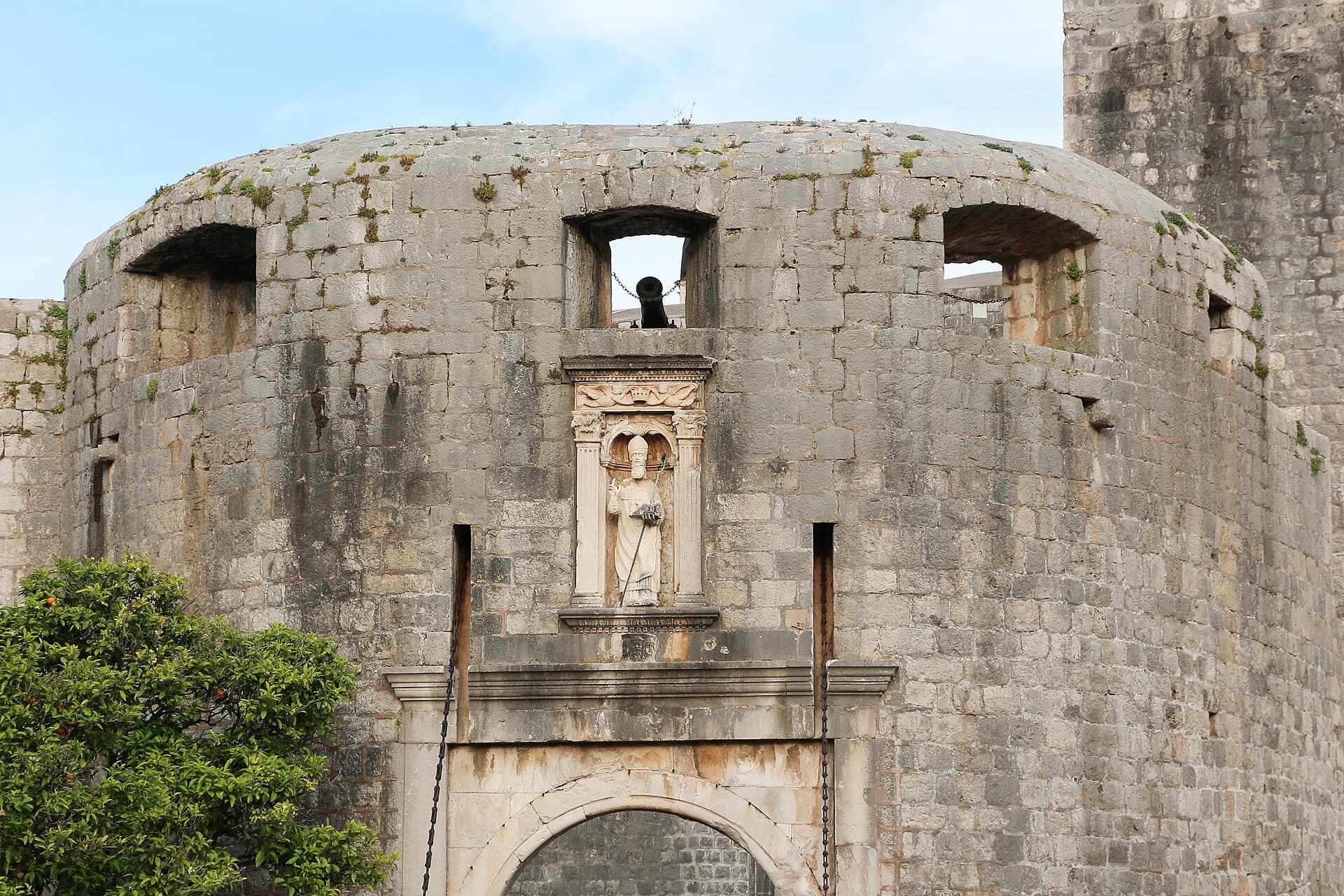
If the trip is mainly about the historic center, staying near Old Town keeps the most important part of Dubrovnik walkable. You can reach the walls, restaurants, and harbor without needing to coordinate a bus for every outing. That simplicity matters most on a short trip, when every transfer feels proportionally larger.
Stay tradeoff 02
Lapad is the best comfort-first no-car option
Lapad is the best no-car answer when the goal is not maximum centrality but a calmer base that still functions well by bus or taxi. You get better hotel stock, easier swimming access, and a more forgiving daily rhythm. In exchange, you accept that Old Town becomes a planned visit rather than your front yard.
Stay tradeoff 03
Be realistic about steps and luggage
Without a car, the last hundred meters matters more. Dubrovnik has plenty of beautiful properties that become much less charming when you are rolling a suitcase uphill or arriving sweaty from a bus stop. If easy movement matters to you, bias toward road-accessible, lower-friction stays even if the photos are a little less cinematic.
Stay tradeoff 04
Skip the car unless your trip goes beyond Dubrovnik
For a city-focused stay, a car usually creates more problems than it solves: parking, unnecessary expense, and the temptation to book the wrong base because driving makes it look feasible. The case for a car only becomes stronger if Dubrovnik is one stop in a wider road trip or you are intentionally staying farther afield. For most visitors, walking, buses, and occasional taxis are the better tool set.
Stay tradeoff 05
Use this page if Dubrovnik needs to work cleanly without a rental car
Use this guide if you already know you do not want to drive and need the hotel choice to support that decision. It is most useful when you are comparing walkable gate access, Lapad comfort, harbor practicality, and airport-transfer ease. A good no-car base should feel boring in the best possible way: obvious route, clear drop-off, manageable walk, and no heroic climb at the end of the night. That is what you are really buying.
Stay tradeoff 06
Car-free Dubrovnik depends on gates, buses, and the last uphill stretch
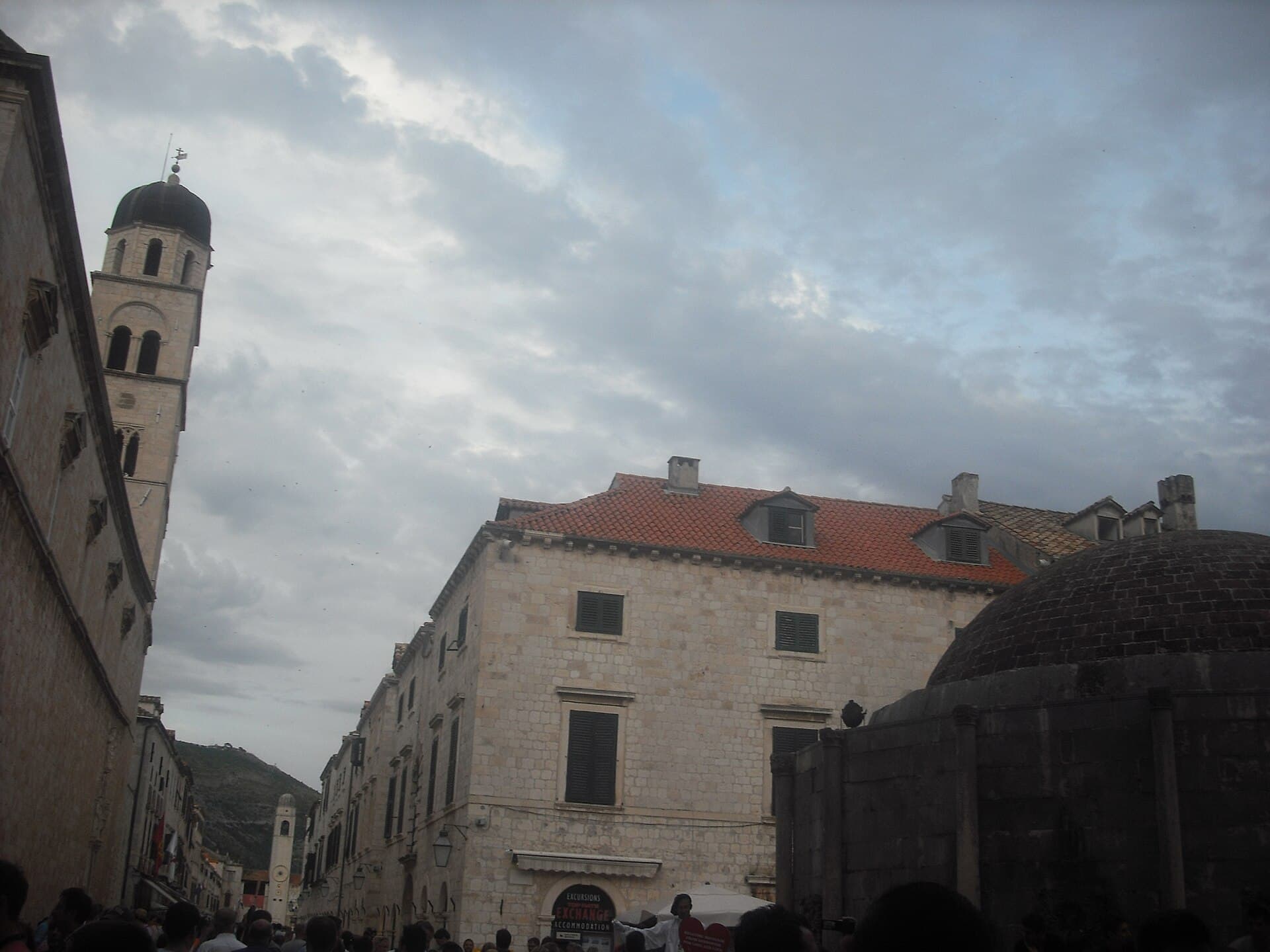
Without a car, the important anchors are Pile, Ploče, the Lapad bus corridor, and Gruž harbor and bus station. A place can look central online and still be awkward if it adds a steep final climb or sits poorly for your actual routes. Pile and Ploče win if you want to walk the core repeatedly. Lapad wins if comfort and beach time matter enough to justify buses. Gruž wins when ferries, airport buses, or budget matter most.
Stay tradeoff 07
The no-car mistakes that create avoidable friction in Dubrovnik
The usual mistake is booking as if you have a car even though you do not. That often means scenic hillside apartments, vague “near Old Town” claims, or places that are fine by taxi but annoying by bus and foot. Another mistake is ignoring harbor or bus access when onward travel days are part of the trip. Read reviews for how people actually reached the property, not just whether they liked the view once they got there.
Stay tradeoff 08
If the obvious no-car areas do not fit, adjust by transport style
If Pile is too expensive, look one layer back as long as the bus and gate route stays simple. If you care about ferries and practical movement more than atmosphere, Gruž is often the right fallback. If you want beaches and a fuller hotel setup, Lapad is the comfort-first alternative. The goal is not to avoid every bus or taxi. It is to avoid needing a complicated one every single time you move.