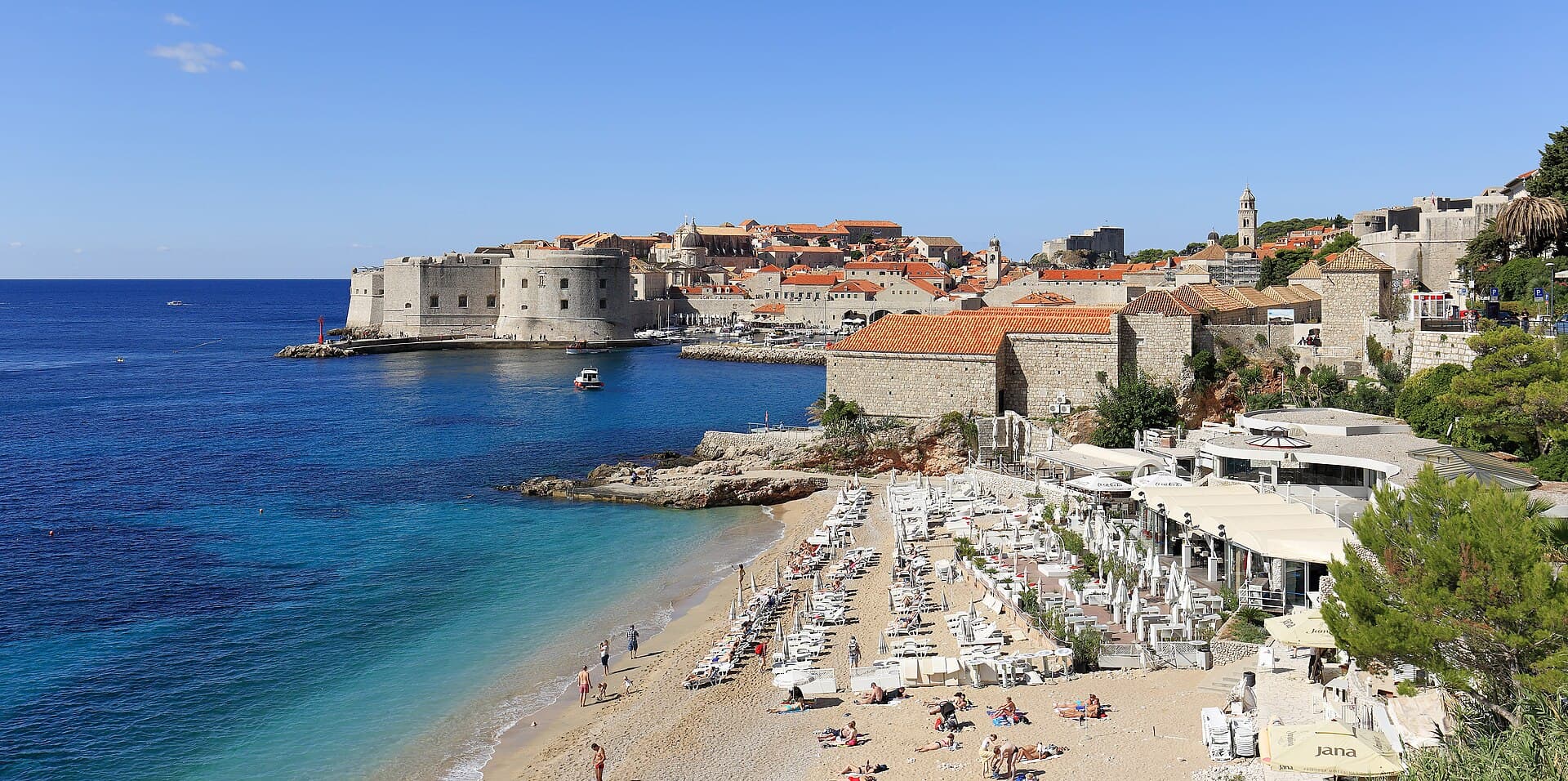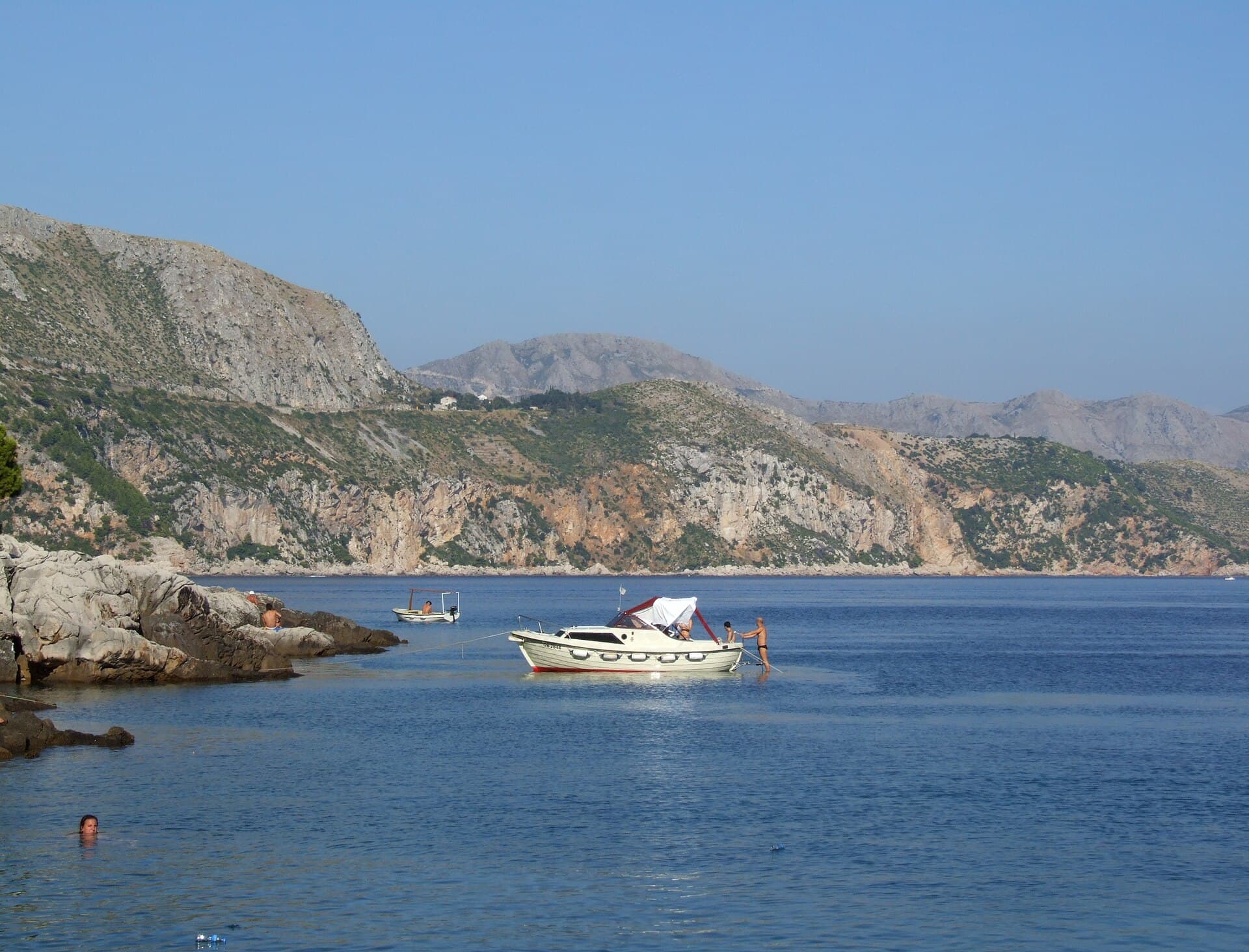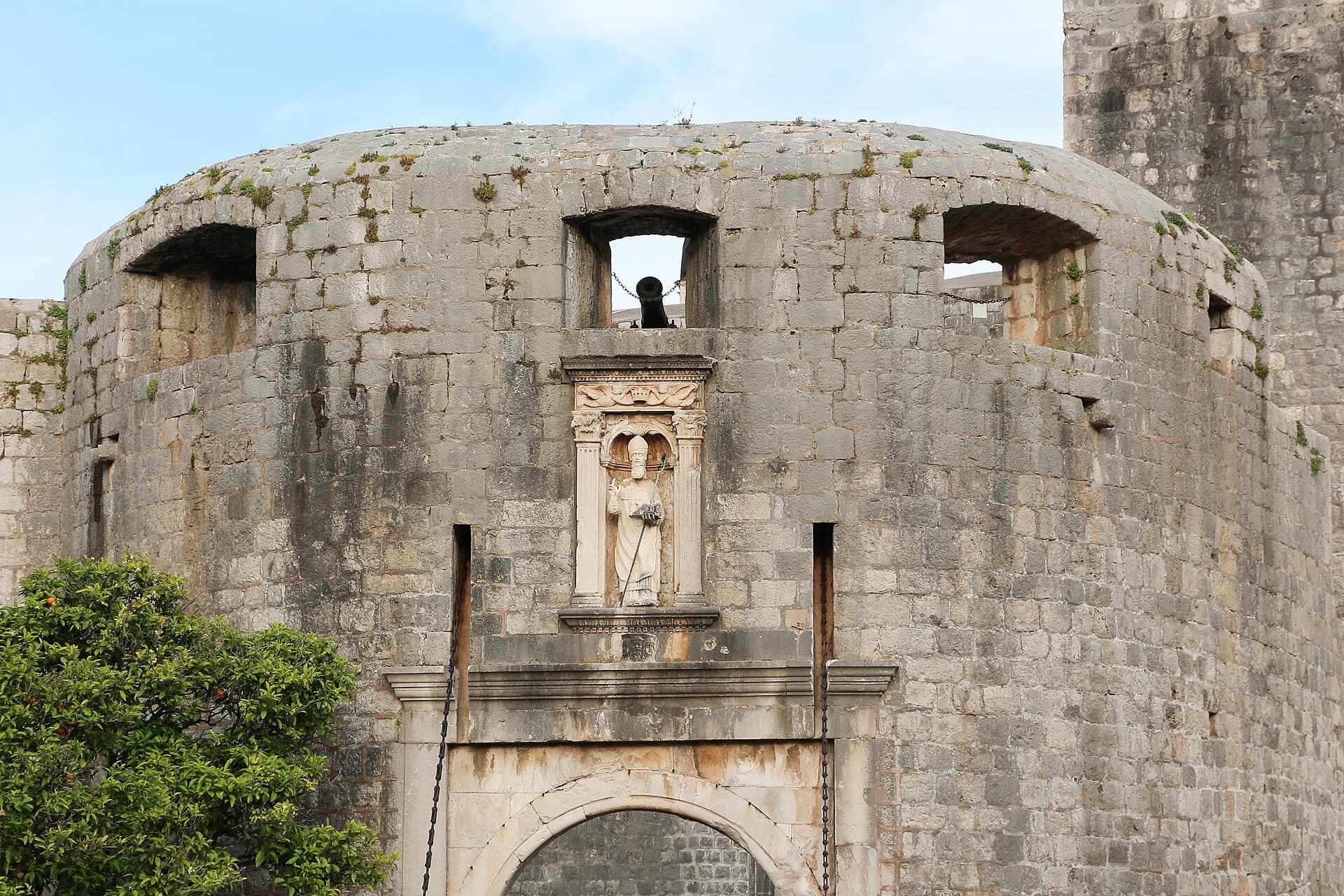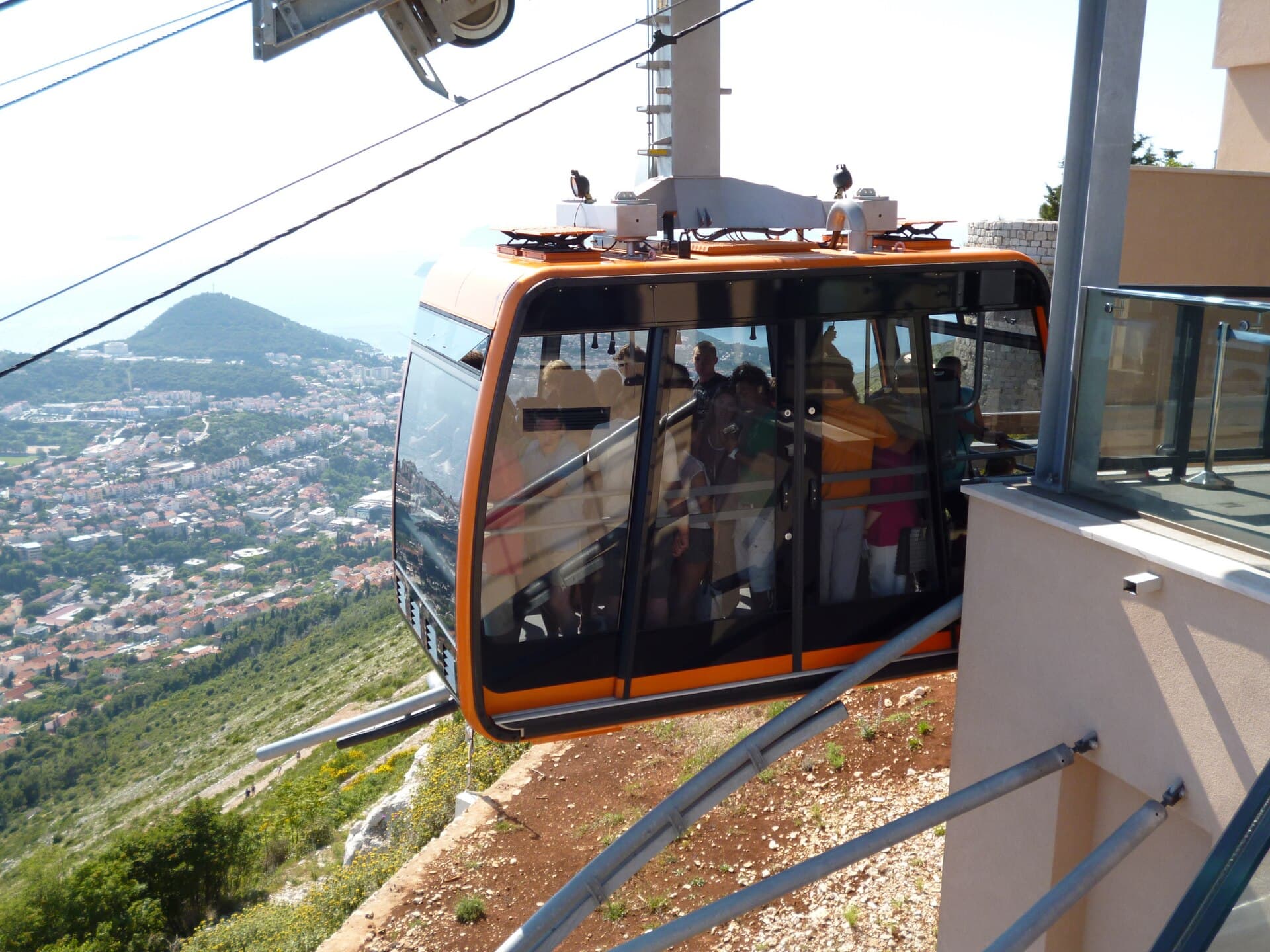
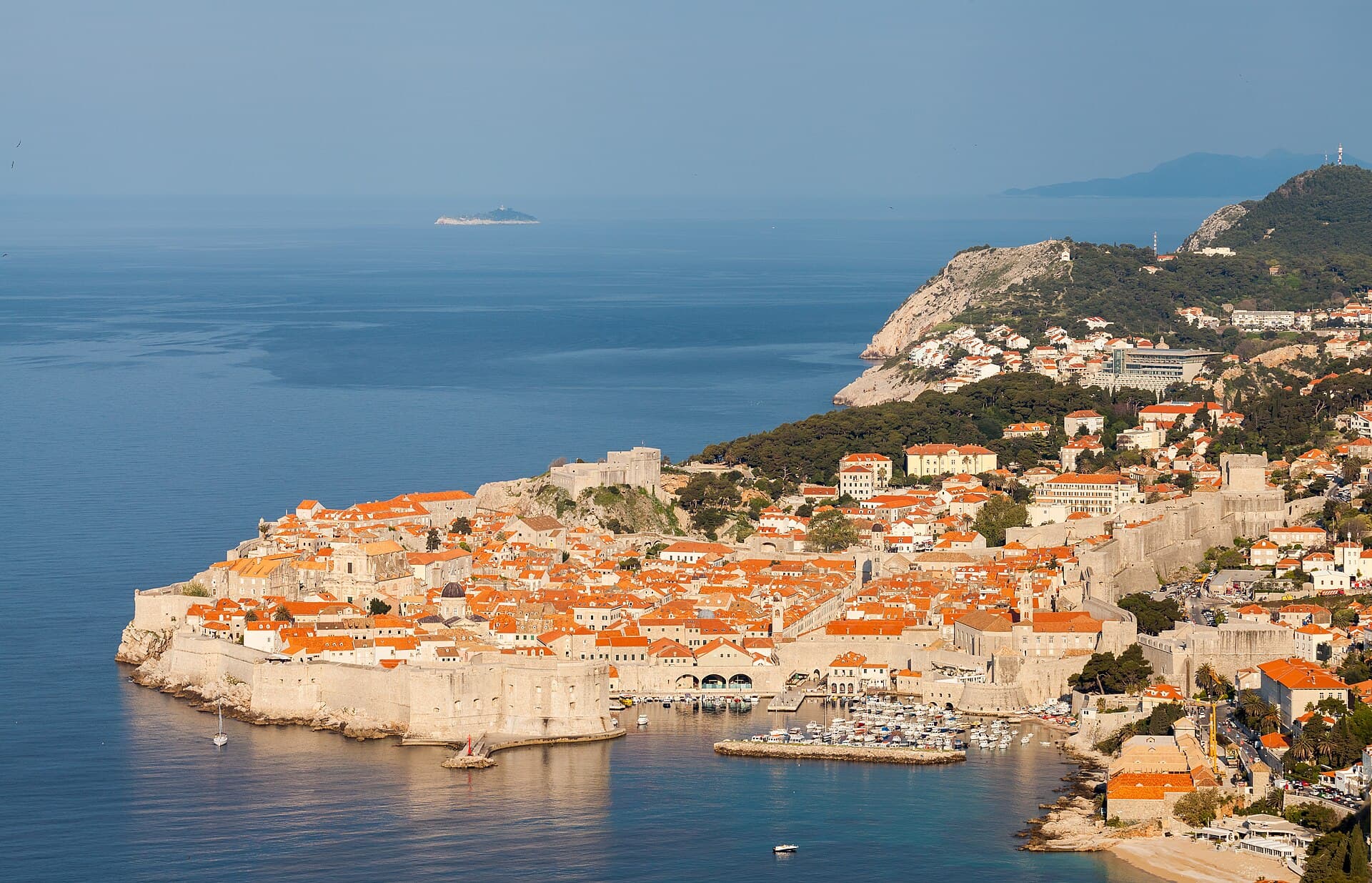
For a first trip to Dubrovnik, the safest answer is usually to stay near Old Town without automatically insisting on sleeping inside it. First-timers often need easy orientation, easy gate access, and a base that does not turn arrival day into a luggage puzzle. That is why Pile or Ploče usually beats a random scenic apartment hidden deeper in the maze. Old Town itself can be wonderful if atmosphere is the main thing you are buying. Lapad becomes the better first-trip choice when comfort, beach time, and a calmer pace matter more than waking up inside the postcard.
Good fit if…
- • first-time Dubrovnik visitors
- • short trips focused on Old Town sightseeing
- • travelers deciding between atmosphere and hotel comfort
Skip it if…
- • you only want a beach-resort style stay away from city sightseeing
Map context
Where to stay in Dubrovnik first-time map
Use this map to compare the first-time-friendly gate areas with the more comfort-led and transport-led alternatives.
Pile Gate
West Old Town edge
transportBest first-trip orientation and transfer anchor for many visitors.
Open Pile Gate in Google MapsOld Town Dubrovnik
Historic center
neighborhoodAtmosphere-rich option with the most pedestrian tradeoffs.
Open Old Town Dubrovnik in Google MapsPloče
East Old Town edge
neighborhoodScenic alternative with quick access to beach and walls.
Open Ploče in Google MapsLapad
West Dubrovnik
neighborhoodComfort-first alternative for longer or slower stays.
Open Lapad in Google MapsGruž Port
Harbor district
transportUseful if your first trip includes ferries or tight transport logic.
Open Gruž Port in Google MapsHilton Imperial Dubrovnik
Pile
hotelExample of the easiest first-time Dubrovnik base.
Open Hilton Imperial Dubrovnik in Google Maps
Specific hotel picks
Hotels worth comparing first
These are real, central options to start your search. We do not show live rates or availability here, so use the links to verify the exact room, cancellation terms, taxes, and recent guest notes.
Hilton Imperial Dubrovnik
Pile
Upscale- Best for
- First-time visitors who want the easiest near-Old-Town base.
- Location note
- Near the main gate and well placed for airport transfers and tours.
- Why stay
- A classic first-trip default because it removes a lot of decision friction while keeping the best part of the city right there.
- Watch out
- Premium rates and no inside-the-walls romance factor.
Hotel Excelsior
Ploče
Luxury- Best for
- Travelers who want sea views and a premium first Dubrovnik stay.
- Location note
- Walkable to the walls, beach, and east-side viewpoints.
- Why stay
- A strong scenic first-trip option if you want Old Town access with a more luxurious, sea-facing feel than Pile usually gives.
- Watch out
- More expensive and still not as direct for transport as Pile.
The Pucic Palace
Old Town
Luxury- Best for
- Visitors who care most about actually sleeping inside the historic core.
- Location note
- Inside the walls with immediate access to Stradun.
- Why stay
- Worth it only when sleeping inside the walls is a real priority rather than a vague idea of what a first trip should look like.
- Watch out
- Transfers and luggage are the tradeoff you are choosing.
Hotel Kompas
Lapad
Upscale- Best for
- Travelers who prefer comfort, beach time, and more space on a first trip.
- Location note
- Better for longer or slower trips than for nonstop Old Town returns.
- Why stay
- Shows what a comfort-first first trip can look like when beach access and hotel ease matter more than total proximity.
- Watch out
- Adds commute time to the historic center.
Berkeley Hotel
Gruž
Midrange- Best for
- Budget-conscious or ferry-focused visitors who want practical transport.
- Location note
- Near harbor links and easier vehicle access than Old Town zones.
- Why stay
- A useful practical first-trip choice when ferries, buses, or budget are shaping the stay more than romance is.
- Watch out
- Less special-feeling as a first impression of Dubrovnik.
Trip planning
Compare stays against the neighborhood tradeoffs here.
These first-trip hotel picks emphasize orientation, gate access, and realistic arrival-day ease rather than just the prettiest map pin.
Search Dubrovnik hotelsExternal partner or booking tool; check locations, terms, and current availability before committing.
Area tradeoff 01
Best first-time base: near Old Town, not necessarily in it
If this is your first Dubrovnik visit, staying near Old Town gives you the easiest read on the city. You can walk the walls, understand the gates quickly, and build the trip around the main sights without constantly deciding on transport. The nuance is that “near” is often more useful than “inside.” A hotel just outside the walls can preserve almost all the upside while cutting a lot of the friction.
Area tradeoff 02
Old Town is memorable but not always comfortable
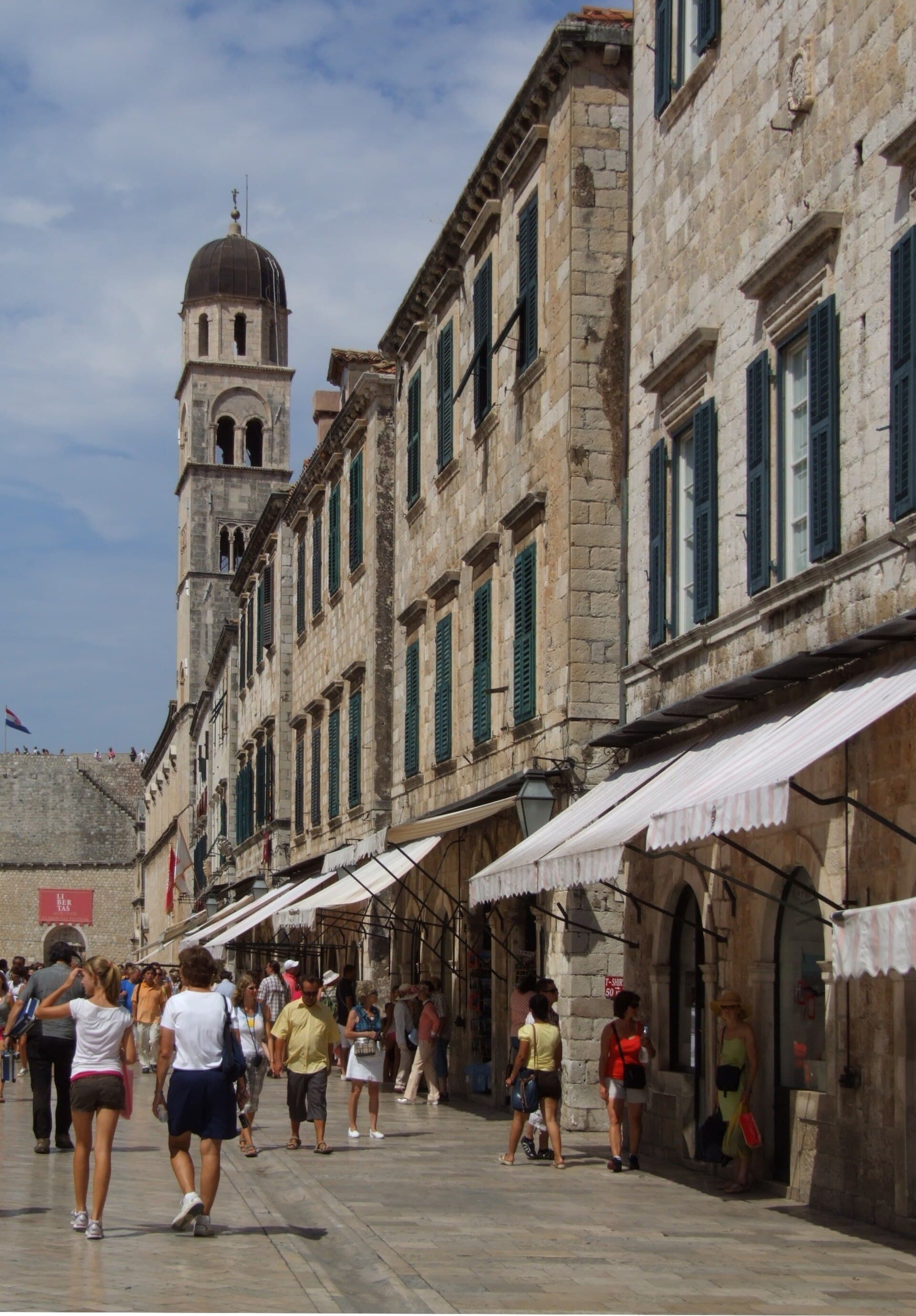
Old Town is memorable because it turns the setting itself into part of the stay. But it is not a free upgrade in every direction. Rooms can be smaller, arrivals more awkward, and daily routines more exposed to steps and crowds. Choose it because the atmosphere matters enough to you to justify those tradeoffs, not because guides make it sound like the default answer for everyone.
Area tradeoff 03
Lapad is better for comfort and longer stays
Lapad is often the smarter first-trip alternative for travelers who know they value hotel ease, more space, and a less compressed daily rhythm. You lose the thrill of stepping directly into the historic core, but you gain beach access, calmer nights, and a base that is easier to live with over several days. For summer trips, that can be a very good trade.
Area tradeoff 04
Think about transfer day as much as sightseeing day
First-time visitors tend to focus on walls and views, then get surprised by how much arrival and departure shape the mood of the trip. In Dubrovnik, airport transfers, luggage, stair count, and gate access are not small details. They often decide whether the hotel feels helpful or mildly punishing. If a stay looks romantic but makes the first and last day harder than necessary, it may not be the best first-trip choice after all.
Area tradeoff 05
This guide is for first-time visitors deciding how close to the walls they really need to be
Use this guide if Dubrovnik is new to you and you want a base that helps the city make sense quickly. First-timers usually benefit from clarity more than maximal romance: clear gate access, easy transfers, and a realistic relationship to the walls, harbor, and buses. That is why this page pushes beyond the lazy advice to simply “stay in Old Town if you can.” The better question is whether sleeping there improves your specific trip enough to justify the extra friction.

Area tradeoff 06
The first-time Dubrovnik routes worth testing before you choose a base
Before you book, test the routes you will actually repeat. How do you arrive from the airport? Which gate do you use most? What does the walk home feel like after dinner? Pile often wins because it makes those answers simple. Ploče can be just as good if you care about sea views, Banje, or east-side access. Old Town wins only when the atmosphere itself is worth the compromises. Lapad wins when comfort and recovery matter more than instant proximity.
Area tradeoff 07
The first-timer mistakes that make Dubrovnik seem less friendly than it is
The common first-time mistake is assuming central equals easy. A gorgeous room can still be up exterior steps, far from the gate you actually use, or awkward for a late check-in. Another mistake is treating every near-Old-Town property as functionally identical. They are not. Read for drop-off clarity, porter help, and how guests describe the final approach, especially in heat.
Area tradeoff 08
If the classic first-time base feels wrong, here is where to shift
If you want a gentler version of Dubrovnik, shift to Lapad. If you care more about ferries, buses, or a lower price, Gruž can work well. If the issue is simply Old Town pricing rather than Old Town itself, look first at Pile-side or lower Ploče stays before moving farther out. The right pivot depends on the friction you are trying to remove: crowds, stairs, cost, or lack of beach-and-hotel comfort.