
Three days in Cusco is enough for a strong first trip, but only if you treat altitude and terrain as part of the itinerary rather than background scenery. The best plan keeps day one gentle, batches the denser sightseeing when your body is more settled, and leaves room for the realities that shape Cusco days: steep walks, early pickups, weather swings, and the temptation to overstuff Sacred Valley or Machu Picchu logistics into an already short stay.
Good fit if…
- • first-time visitors who want a realistic Cusco plan instead of a bravado checklist
- • travelers deciding how much city time to keep versus Sacred Valley or Machu Picchu logistics
- • people who want sightseeing grouped around altitude, hills, and energy rather than map theory
Skip it if…
- • you need a rigid hour-by-hour schedule with exact operating details
- • you already know the trip is mostly a valley or Machu Picchu transit stop
- • you want to prebook every block regardless of weather, fatigue, or acclimatization
Map context
Cusco 3-day itinerary map
Plot the main sight clusters, nearby ruins, and excursion decision points so your 3-day Cusco route stays realistic at altitude.
Plaza de Armas
Cusco
landmarkBest first-day orientation anchor and a reliable reset point between neighborhoods.
Open Plaza de Armas in Google MapsSan Blas
Cusco
landmarkIdeal for a slower character walk once you know how the uphill feels for you.
Open San Blas in Google MapsQorikancha
Cusco
landmarkStrong core stop for the main day-two historic block.
Open Qorikancha in Google MapsSacsayhuamán
Cusco
landmarkWorth doing when fresh; consider a taxi uphill to save energy for the rest.
Open Sacsayhuamán in Google MapsSan Pedro Market
Cusco
landmarkBest used as a context-and-food stop rather than a rushed standalone mission.
Open San Pedro Market in Google MapsPoroy / Wanchaq rail links
Cusco
landmarkDecision anchor when day three becomes an onward-travel or excursion day.
Open Poroy / Wanchaq rail links in Google MapsCentro Histórico or San Blas
Cusco
transportUseful regrouping zone for meals, taxis, and flexible route resets.
Open Centro Histórico or San Blas in Google Maps
Bookable ideas
Tours and activities to compare
Use these as a starting point, then verify the meeting point, cancellation terms, group size, and recent reviews before booking.
Sacred Valley day route from Cusco
Day trip
9–11 hours- Best for
- Travelers who genuinely want the valley without piecing together transport and pacing on their own.
- Why book
- It can make a long geography-heavy day feel more coherent, especially if you want context as well as transport.
- Watch out
- Think twice if you would rather overnight closer to Machu Picchu or keep day three for Cusco itself.
Cusco city and nearby ruins tour
Cultural tour
4–5 hours- Best for
- First-time visitors who want Qorikancha, Sacsayhuamán, and the surrounding history tied together clearly.
- Why book
- It helps the city and the nearby ruins feel like one story instead of disconnected stops.
- Watch out
- Best on day two or later if you are still unsure how altitude will treat you on arrival.
Machu Picchu guided day from Cusco
Rail day trip
12–14 hours- Best for
- Travelers with very limited time who need the moving parts bundled and understand it will dominate the day.
- Why book
- Bundling can make a complicated rail-and-bus day feel more controlled when you cannot spare an overnight.
- Watch out
- It is a long, tiring choice for a 3-day trip, so only book it if Machu Picchu is the clear priority.
Cusco market and cooking experience
Food tour
3–4 hours- Best for
- Visitors who want a gentler, more grounded cultural block after the major sights.
- Why book
- It gives San Pedro Market and local ingredients more meaning than a quick pass-through on your own.
- Watch out
- Check how much standing, walking, and food is involved if you are still settling into altitude.
Trip planning
Check guided options against the timing in this guide.
Use a tour for the part of Cusco that is hardest to self-plan — nearby ruins, food context, or valley logistics — and keep the easy city blocks flexible.
Browse Cusco toursExternal partner or booking tool; check locations, terms, and current availability before committing.
Itinerary note 01
How to use this 3-day plan
Treat this as route logic, not a heroic checklist. In Cusco, a plan that looks modest on paper can feel full once you add altitude, stone streets, and one or two uphill segments. Group nearby sights, protect a real lunch or tea break, and keep enough slack that you can take a taxi uphill without feeling like the whole day is failing. The best 3-day Cusco trip is the one that still feels humane by dinner.
Itinerary note 02
Day 1: settle in, acclimatize, and keep the city small
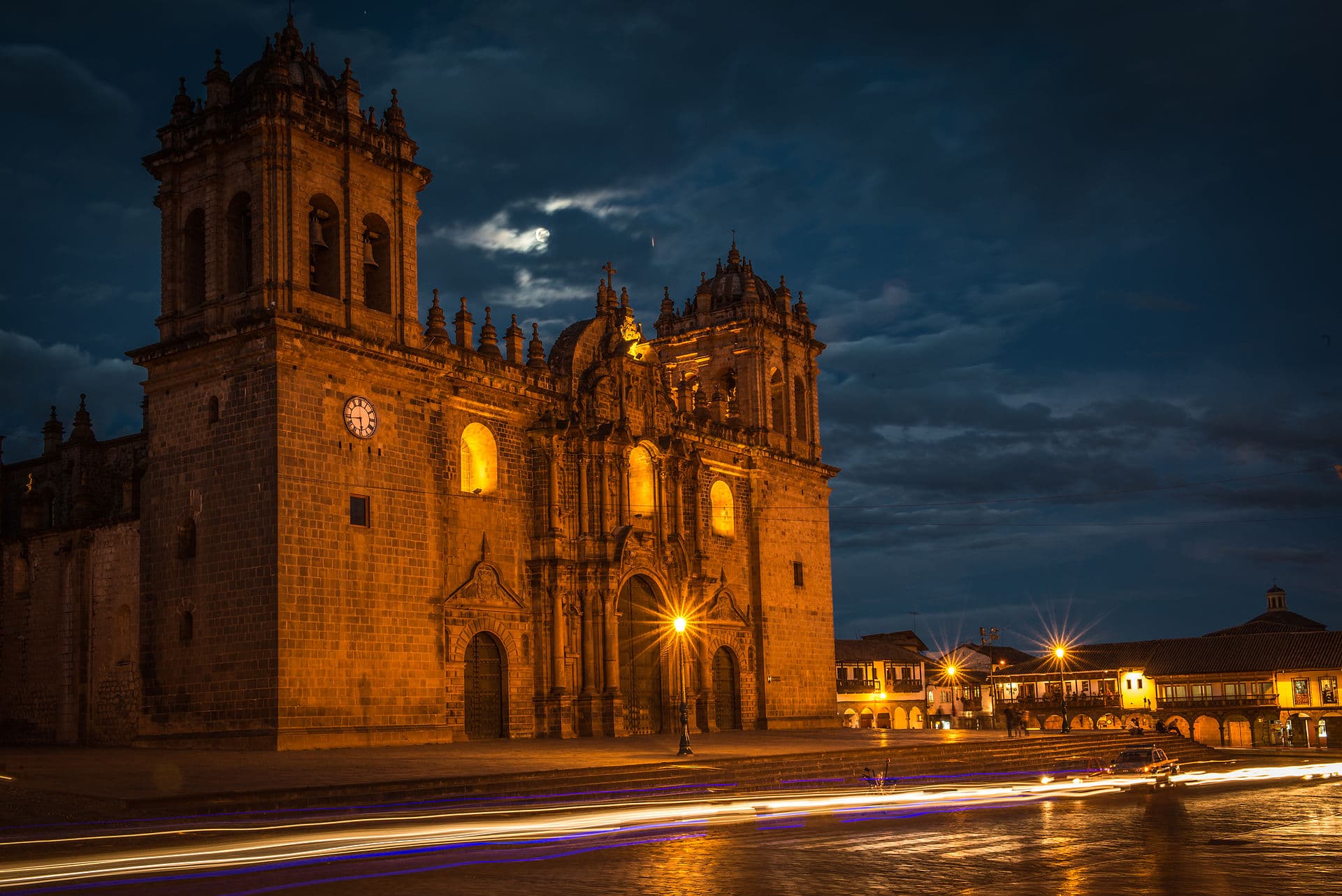
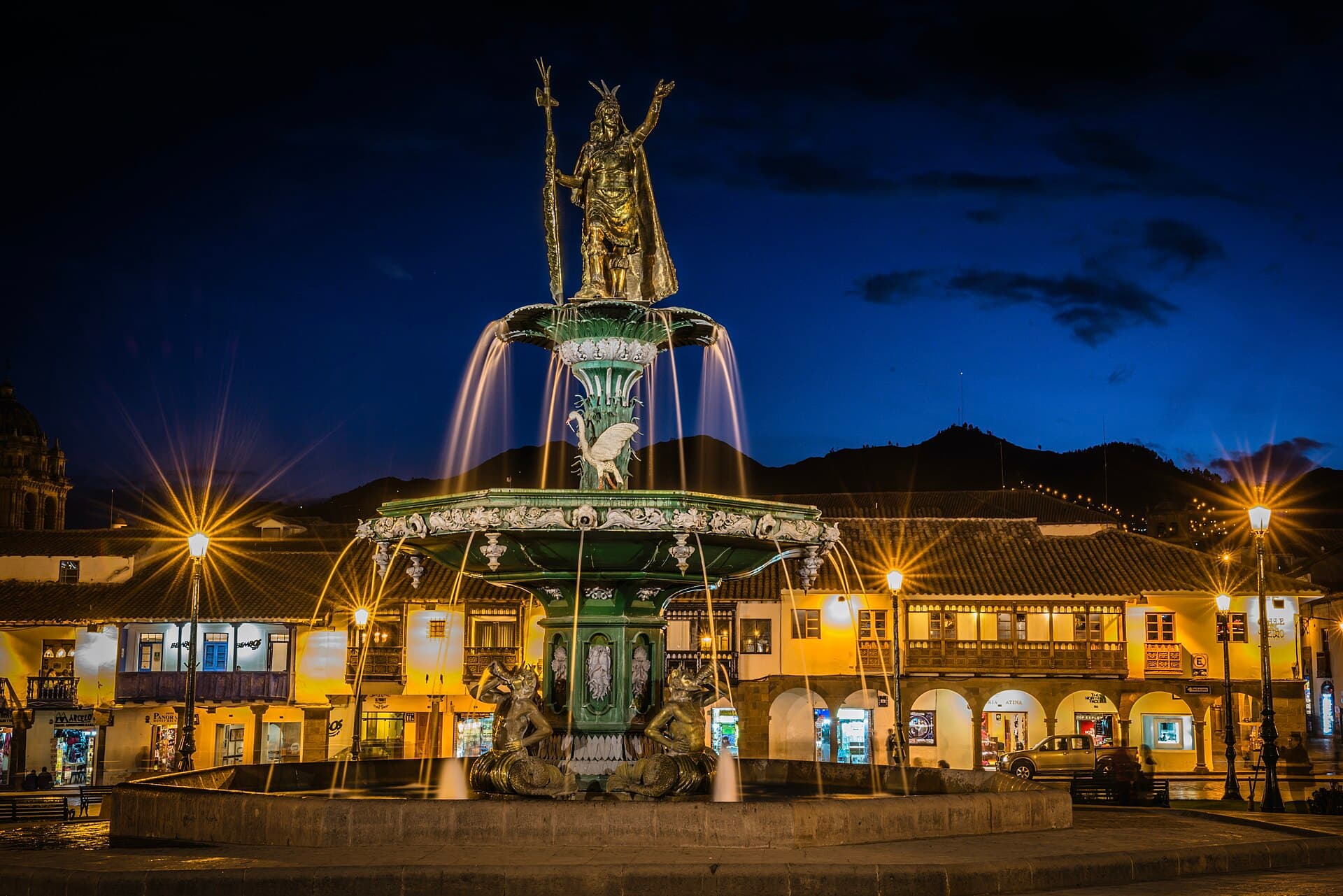
Use the first day to understand how Cusco feels in your body before you start chasing the full postcard version of the city. Stay close to your base around Plaza de Armas, lower San Blas, or another central pocket, and make the goal orientation rather than accomplishment. A short plaza circuit, a coffee break, one church or courtyard, and a slow meal is enough. If you feel great, that is a bonus. If you do not, you have protected the rest of the trip instead of burning it up on arrival day.
Itinerary note 03
Day 1 evening: eat nearby and learn your nighttime rhythm
Keep the first evening close to the part of town you are most likely to reuse for dinner. That might mean staying near Plaza de Armas, choosing a lower San Blas restaurant, or simply picking the easiest pleasant option near the hotel. The point is to learn how far a comfortable return feels after dark and at altitude. That answer matters more than squeezing in one more sight. If walking uphill back to the hotel already feels like enough, adjust the rest of the trip accordingly.
Itinerary note 04
Day 2 morning: do the classic city-and-ruins block while you are freshest
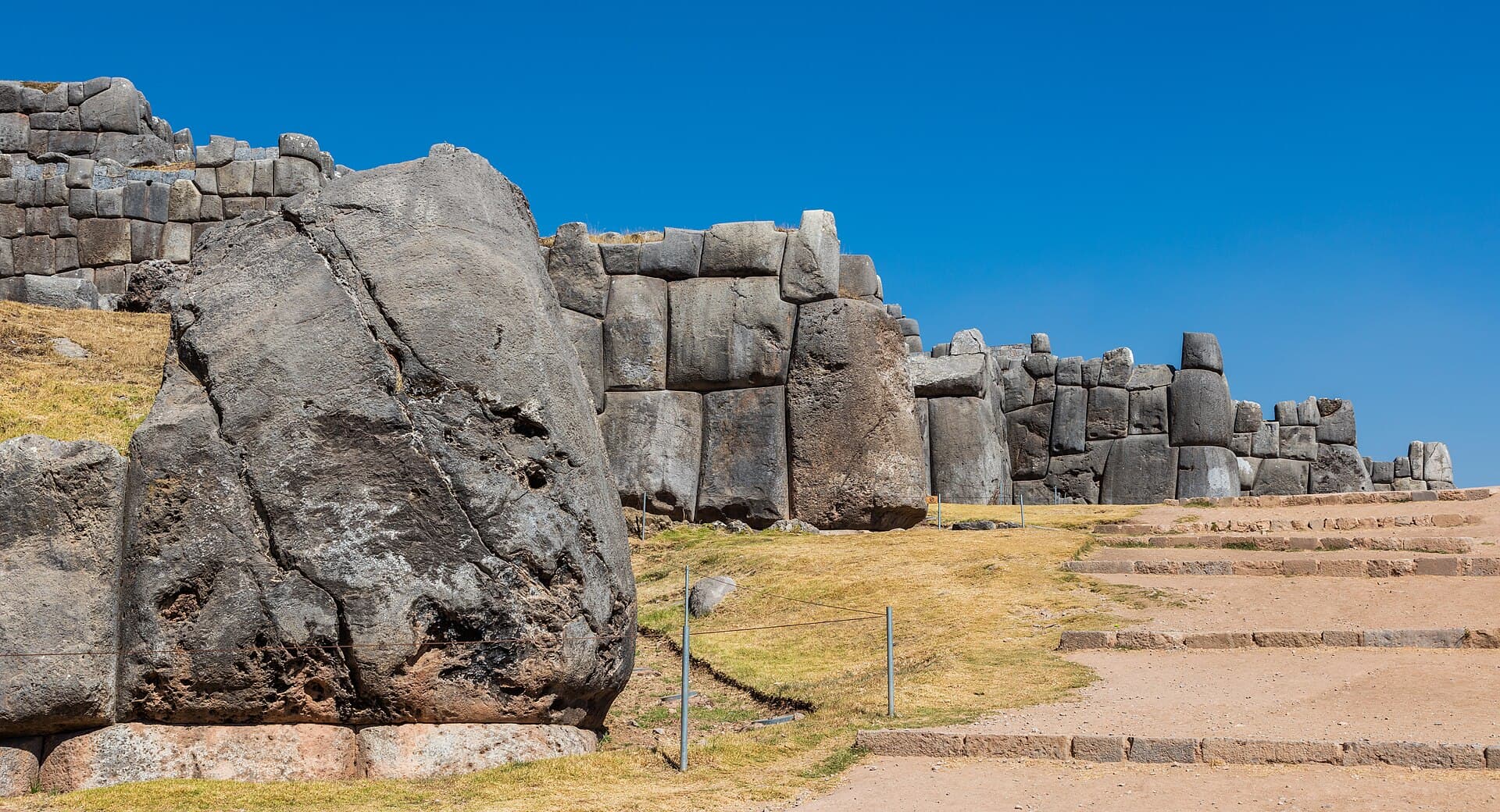
Day two is the best window for the highest-value Cusco block: Qorikancha, Sacsayhuamán, and whichever nearby ruins or viewpoints fit naturally with your energy and transport plan. Morning works better because the city is calmer, the light is cleaner, and you are less likely to resent the uphill effort. This is also where a short taxi uphill can be a smart use of money rather than a failure of ambition. Save your legs for the parts you actually want to walk.
Itinerary note 05
Day 2 afternoon: add context, food, or markets instead of more altitude
After the main block, resist the urge to keep stacking exposed ruins simply because you still have hours left. A market visit, museum, cooking class, or slower San Blas wander usually gives the trip more texture than another hard push. San Pedro Market can work well here if it fits your route, and this is a strong slot for a guide who adds context without forcing a marathon. In Cusco, the second half of the day is often better spent deepening the experience than stretching the radius.
Itinerary note 06
Day 2 evening: book one curated experience only if it solves a real gap
If you want a tour, this is a smart evening for one because you already know what the city feels like and what you are still missing. A food walk, cultural experience, or neighborhood-led tour makes sense when it helps you eat better, understand more, or feel more confident in parts of Cusco you would otherwise skim. Skip anything that simply recreates places you can already reach on your own. Good tours in Cusco should remove friction or add narrative, not just fill time.
Itinerary note 07
Day 3: choose between deeper Cusco time and a bigger excursion
Day three is where you need to be honest about priorities. If Machu Picchu, the Sacred Valley, or a rail connection is the real point of the trip, this may become a staging or excursion day. If not, many travelers are happier using the third day to see Cusco more clearly: revisit the neighborhood that clicked, walk a market-to-plaza route more slowly, or add one half-day outing instead of an all-day production. The mistake is treating a huge excursion as mandatory when the city itself still feels unfinished.
Itinerary note 08
How to adjust for pace, weather, and group energy
Fast travelers can add one more stop a day, but it should be on the same side of town and not require a punishing uphill finish. Slower travelers should remove a stop before they remove meals or rest. Families should favor cleaner vehicle links and shorter walking chains, especially if mornings start early for tours. In the rainy season, save steep wandering for the driest window and keep a museum, café, or market fallback ready. Cusco rewards flexible pacing much more than stubborn ambition.
Itinerary note 09
Mistakes that make three days feel rushed
The biggest mistake is pretending arrival day and sightseeing day are the same thing. The second is adding Sacred Valley or Machu Picchu logistics automatically, then wondering why the city feels like a blur. Another common problem is walking every uphill segment out of principle when a short taxi would protect the rest of the day. Three good days in Cusco come from geographic discipline, honest energy management, and leaving just enough room for altitude to have a vote.